If you spend enough time hanging around the Esplanade lobby or catching a late-night screening at the projector, you start to realize that Singaporean storytelling is obsessed with the “look”. It’s that humid realism Eric Khoo pioneered, or those neon melancholic frames Royston Tan is so good at. We are a visual culture, even if we don’t always talk about it in these terms. But what is fascinating is how that culture is shifting. It’s moving away from the wooden seats of old cinema halls and landing right in our hands. We are not just passive observers anymore, and we are interacting with digital worlds that have been shot like a high-budget film production.
Dramatic Tension and the Art of the “Big Win”
Theater and film both live for the “reveal.” It’s that interesting from the audience at the end of a show or the final twist in a thriller. That adrenaline spike is the same engine that drives the gaming world. Of course, the whole thing falls apart if you don’t trust the theater you are in.
You would not pay for a ticket if you thought the stage might collapse mid-act.
In the digital world, trust is the only thing that matters, which is why a lot of creatives end up leaning on a trusted Singapore online casino guide like OnlineCasino.com.sg. It’s basically the digital equivalent of a well-researched programme for a SIFA show. They look into the legal stuff in popular jurisdictions, so you don’t have to. It ensures that the “big win” is not just a fancy special effect, but a fair and audited part of the performance.
The Psychology of a Performance
Think about the last time you sat in a theater. The sound builds, the lights dim, and your heart rate rises. Digital entertainment is basically doing a one-man show for you. The specific pitch of a sound effect or the way a screen “flashes” is a script. It’s designed to heighten the stakes. In many ways, we have become both the audience and the lead actor in these digital platforms.
The Scenography of the Digital Screen
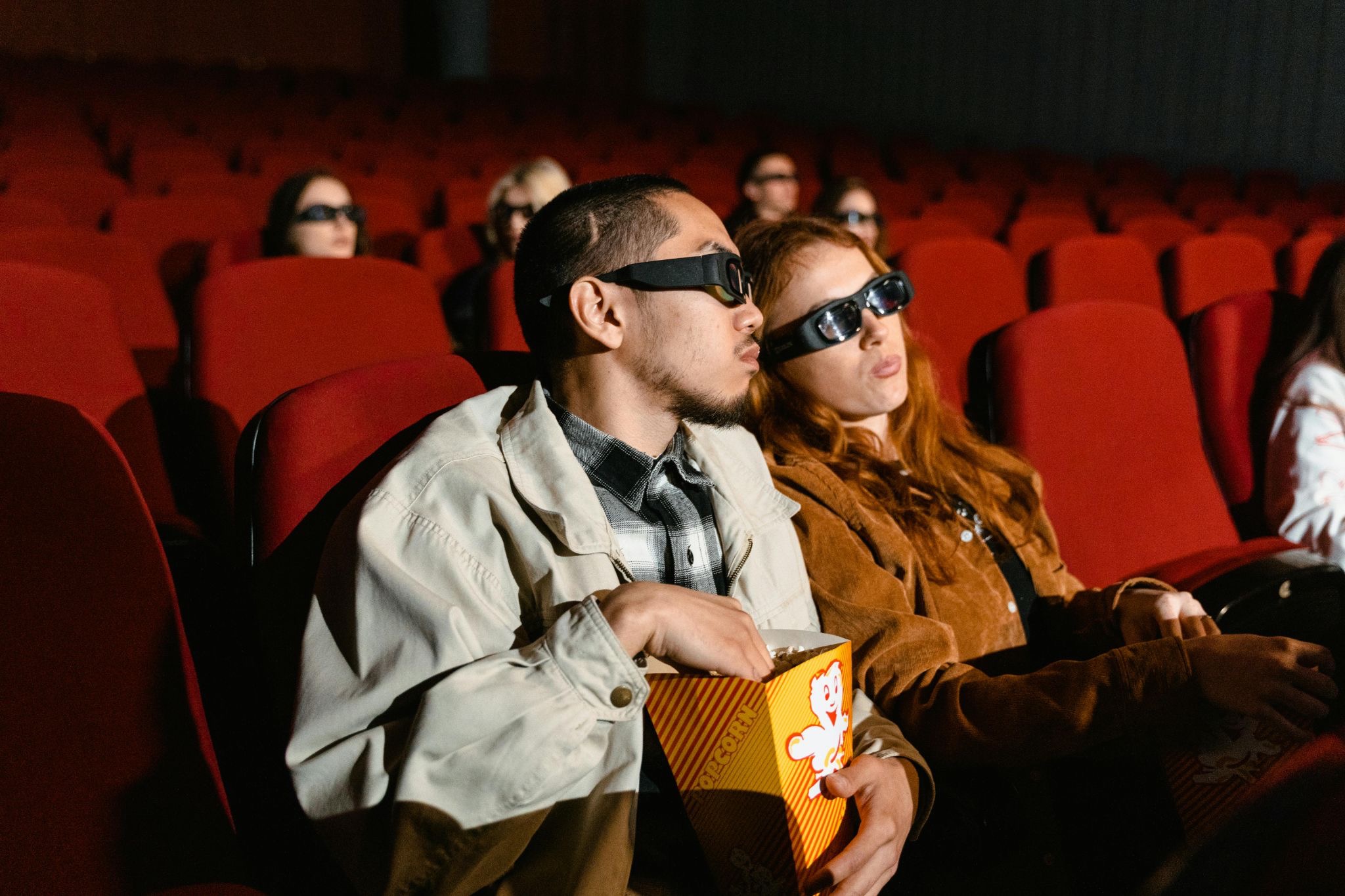
In the theater world, we are always talking about scenography, basically, how you manipulate a space to make an audience feel something. In classic Singaporean movies, that “space” is usually a center with buzzing fluorescent lights or the specific, slightly weathered pastel of an HDB block. It’s a visual shorthand we all recognize instantly.
That Heartland Aesthetic
Designers are finally waking up to the fact that authenticity matters. They are moving away from generic graphics and accepting something that feels like home. You may see digital interfaces that use the same saturated color palettes as some local “new wave” films, and it’s honestly more engaging than anything coming out of a faceless global studio.
Color Theory and the Emotional Hook
Color is never just a choice. In a theater production, a deep red may signal a character’s impending breakdown, but in the digital world, it’s used to build up the tension right before a big reveal. There is a psychological flow at play here. When a developer hires an actual production designer to curate the mood of a site, they are trying to keep you in that “sweet spot” where the visual element matches your heartbeat. It’s effective, even if it’s a bit manipulative in a cinematic sort of way.
The Director’s Cut: Live-Dealer Spectacle
The most surprising thing about these casino platforms is the live dealer games. If you have not seen it, it’s basically a live television broadcast. There is professional lighting, multiple camera angles, and hosts who know how to make a show like they have a theater degree. They are in a set designed to look like a high-end casino location from the most exclusive films. The lighting is flattering, the audio is crisp, and the switching angles in real-time are here to keep the energy up. It’s a weirdly perfect hybrid of theater and tech that the arts community has been a bit slow to recognize as an actual craft.
Technical Integrity as Its Own Kind of Art
In the theater, if an actor misses a cue or a set piece falls over, the “magic” is gone. In the digital world, it is called “lag,” and it’s just as fatal to the live experience. For a community that wants precision, technical stability is the most important asset.
A site that crashes is just a bad production. The “smart money” in the local creative scene does not have time for amateurism. Singaporeans want institutional uptime, so when a platform runs smoothly, it lets the visual art actually breathe. It’s like a smooth scene change in a play, so you shouldn’t see the effort, but only the result.
UI/UX as Production Design
Graphic designers are the new production designers when it comes to the gambling sites. They are the ones deciding how a menu feels or how a win animation should look to be satisfying without being weird. It’s a fine line, and it takes a lot of artistic intuition to get that right for a modern Singaporean audience that’s seen it all.
The Ethics of Authenticity
The professionalization of gaming in Singapore mirrors how the arts funding has grown. It’s about moving away from the shady gray-market stuff and toward something with a proper script and rules. For a long time, anything digital and high stakes had a bit of a bad reputation. But as the tech has evolved, it’s become more about the craft. Strict licensing and audited RNG are the core of the work’s integrity. If the casino game is not fair, the “art” of it is dead.
The Final Act
Singapore has always wanted to be a “Renaissance City,” where tech and art live together. This modern mix of film culture, visual art, and casino play feels like the logical next step. We are no longer just sitting in the front row watching the screen, but we are the ones holding the controller, deciding the camera angles, and writing the ending. It’s a new kind of interactive spectacle, and it’s about time we started paying attention to the art behind it.