
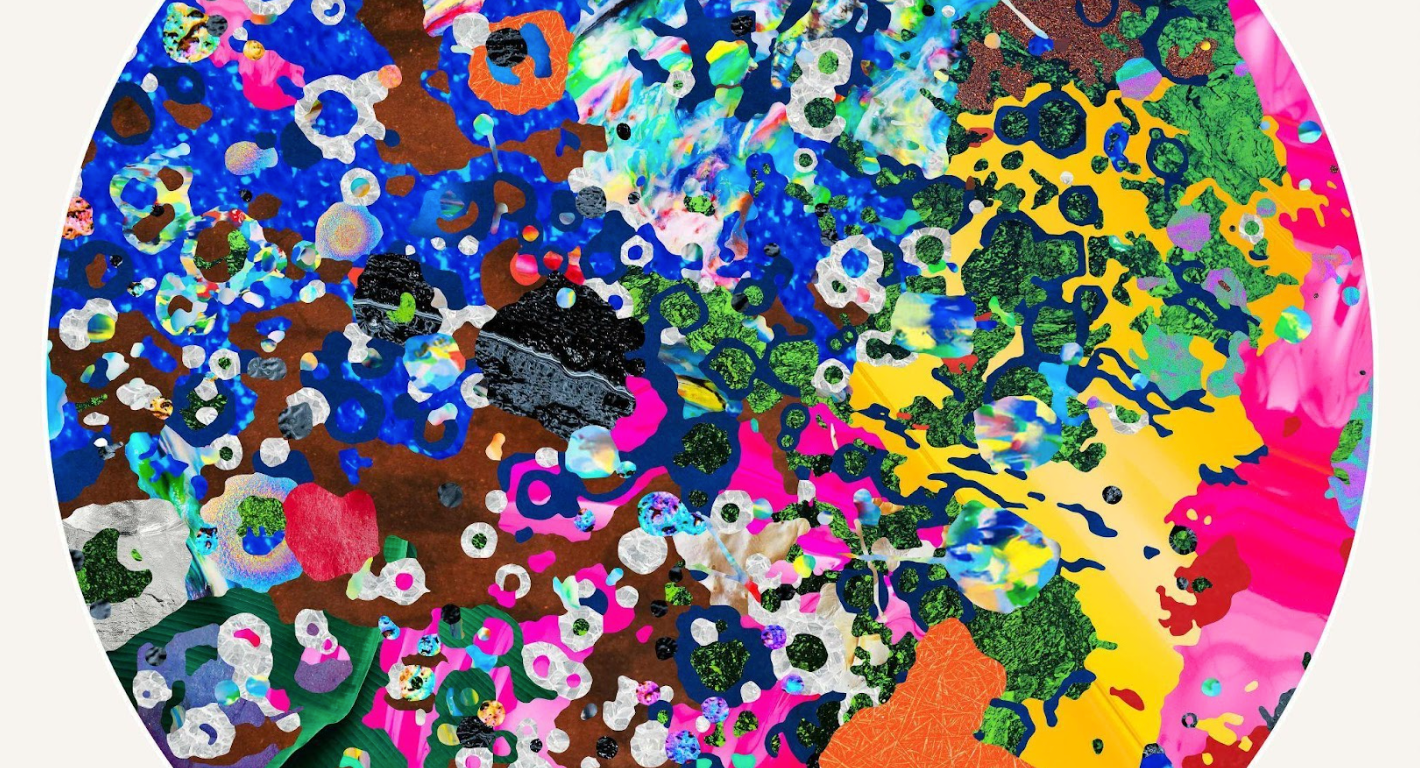
A controversial yet revolutionary material, plastic has become ubiquitous in our everyday lives – from aesthetic packaging and commonplace household goods to iconic architecture. Discover the history and future of plastics in a special travelling exhibition titled Plastic: Remaking Our World, which makes its Asian debut at the National Museum of Singapore (NMS) from 27 January to 23 June 2024.

Plastic: Remaking Our World is a travelling exhibition by the Vitra Design Museum, V&A Dundee and maat, Lisbon that charts the material’s meteoric rise in the 20th century, its environmental impact, and cutting-edge solutions for a more sustainable way of using plastics in our society. Featuring over 300 objects, posters, films, and photographs, including rarities from the dawn of the plastic age, objects of the pop era as well as contemporary designs and projects, the exhibition also includes a local narrative of Singapore’s history with plastics, featuring a blend of physical and digital displays of National Collection items as well as an interactive space.

The exhibition is divided into 3 sections that cover the theme of plastic and its prevalence in society over the years, namely:
- Kalpa: An immersive film installation created by Asif Khan Studio contrasting the long-term formation of oil with the rapid generation of plastic waste.
- Synthetica, Petromodernity and Plasticene: Plastics from 1850 until Today: Featuring global design movements and the increasing pervasiveness of the material, this section describes the development of early natural and synthetic plastics, the evolution of the material and the shifting perceptions of plastics from their beginnings in the mid-19th century to their global omnipresence today.
- Re-: The final section explores how we can achieve a circular plastic economy and aims to spark conversations on using plastic in a more sustainable way. The exhibition continues outside the gallery with a sorting zone where visitors can learn about the different types of plastic, and an injection machine that repurposes waste plastic into functional household items.
Visitors will see familiar artefacts in the exhibition such as iconic Barbie dolls and Plack picnic ware and discover unique uses of plastics in the home that includes Bakelite, the historic material that facilitated the creation of household electrical appliances, and furniture design such as the futuristic Space Age Ball Chair.

Visitors can also head over to the Plastics in Our Lives interactive space located outside the exhibition that is modelled after a home, to explore the pervasiveness of plastics in their daily lives and learn fun facts about surprising items that may contain plastics. Youth and families are sure to enjoy the Green Detective’s Challenge, an on-site gamified experience testing one’s knowledge on recycling and puzzle-solving skills to locate the elusive Green Detective. Local innovative efforts and research projects that champion greener uses of plastic from local stakeholders will also be featured on the TV in the home’s living area.

Come March, the interactive space will be enhanced with a new dining room and a participatory installation, the Shore Debris Table. Created by artist Ernest Goh, the 6-metre-long table will be covered by debris collected from Singapore’s Punggol beach. Visitors will be invited to pick out microplastic fragments from the sand, a mindful activity that aims to bring the issue of massive plastic pollution to the dinner table.

The fun doesn’t stop there, as visitors can also enjoy a diverse line-up of programmes throughout the exhibition period that will highlight issues related to plastics as well as broader sustainability issues. These include hands-on workshops, experiential tours and live demonstrations of the exhibition’s injection machine that will share how to create useful household items out of recycled plastic.

As part of NMS’ commitment to work towards a greener, more sustainable Singapore, the Museum has taken initiatives to ensure and implement sustainable methods in hosting this exhibition. Sustainable materials are used for the title wall header and label materials, as well as other materials such as display cases. To further reduce the production of exhibition items, NMS also organised an internal collection drive for staff of the National Heritage Board to donate their items. More than 200 items including luggage, skipping ropes and bubble tea bags were contributed by staff and assessed for their suitability before being displayed at the sorting zone and interactive space. After the exhibition, the donated items will be recycled or reused where possible. Refer to Annex C for the complete list of sustainability initiatives. NMS also engaged various partners in different aspects of programming and content ranging from public institutions including Nanyang Technological University, Singapore University of Technology and Design, and National Environment Agency, to social enterprises like the Ayer Ayer Project and Green Nudge.

In conjunction with the exhibition, residents in Singapore will also have the chance to contribute their stories and photos of objects relating to the theme of plastic and sustainability. These can include plastic objects that have a uniquely Singaporean origin, design, or use, as well as objects related to saving the environment or sustainable living in Singapore. Selected submissions may be accessioned into the museum’s collection and featured in future exhibitions. This public call is part of the National Museum’s ongoing Collecting Contemporary Singapore initiative. The public can visit https://go.gov.sg/nms-ccs-plastic to learn more about the call, which runs until 31 December 2024.

Says Chung May Khuen, Director of the National Museum of Singapore: “The National Museum is committed and continues to present contemporary issues in our exhibitions and programmes to engage and encourage important conversations among our audiences. We are honoured to partner with the Vitra Design Museum, V&A Dundee and maat, Lisbon, to present Plastic: Remaking Our World in Asia for the first time. Through this exhibition, we hope to highlight a deeper understanding of our relationship with plastic and offer new perspectives on how we can reimagine a more sustainable future with it.”
Images courtesy of National Museum of Singapore
Plastic: Remaking Our World runs from 27th January to 23rd June 2024. It is a ticketed showcase, where Singaporeans and Permanent Residents (Adults) can purchase tickets at $5 each. For more information on the exhibition, visit their website, or visit the National Museum’s Facebook and Instagram pages.
 Bakchormeeboy