
Same slot, two casinos, and you can have a completely different night. On the first site I’m playing within a few taps. Deposit’s easy, phone’s fine, no drama. The second one drops me into a lobby that looks like a junk drawer, the rules are buried somewhere I give up looking for, and a basic withdrawal ends with me emailing support twice and still waiting a week.
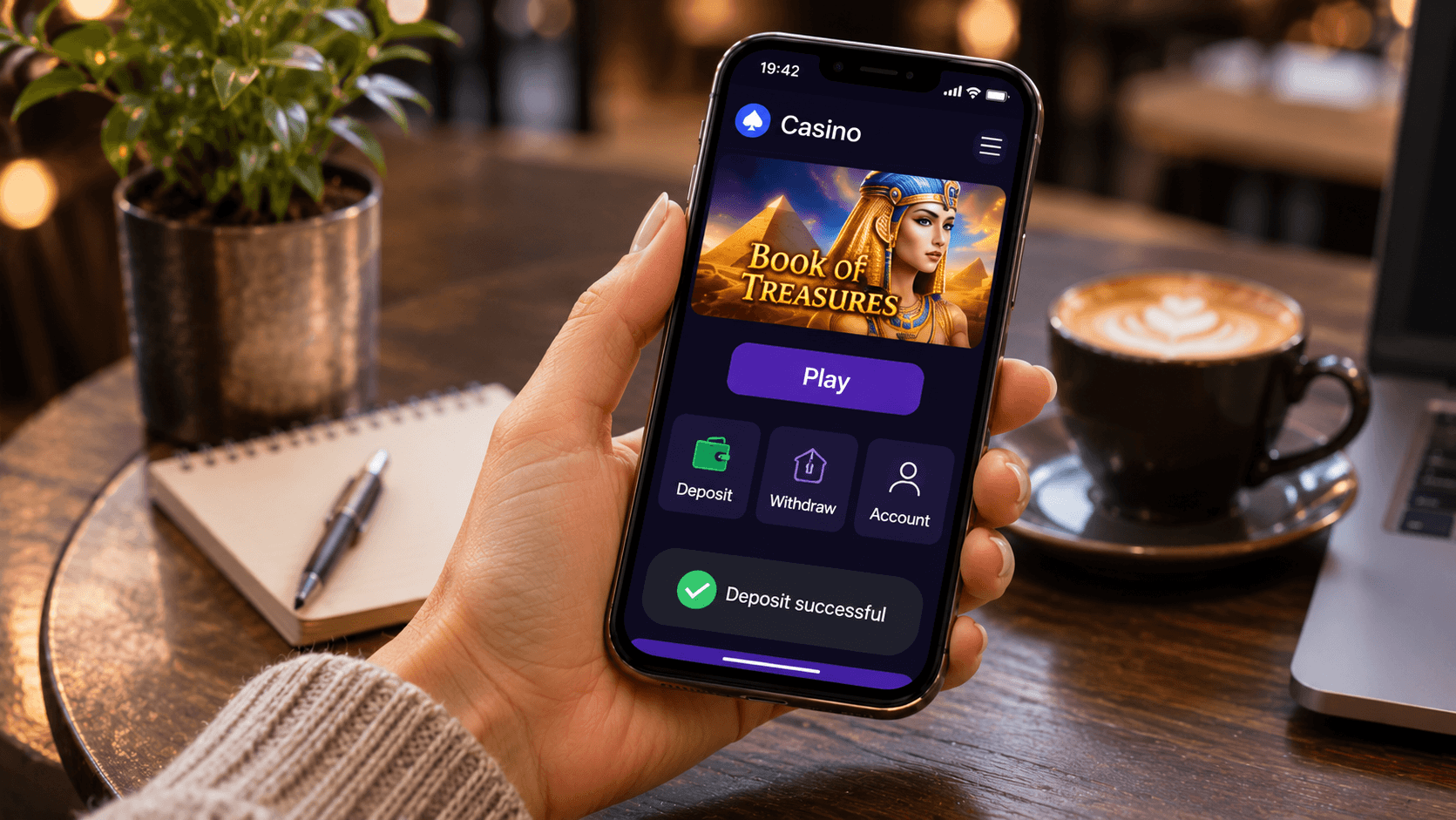
The game count hardly matters here. What you notice is how the site is built: how payments work, who supplies the software, whether it behaves on mobile, what the account terms say. You feel all of that long before the first spin.
Why the Game Lobby Matters More Than Its Size
A casino bragging about thousands of games sounds impressive, but a huge catalog doesn’t help if you can’t use it. Say you open a site on a short break. You want a certain kind of slot, you want to read its rules, and then you want to play. If search works and the categories make sense, that takes a minute. If everything is thrown in together, even a big selection feels cramped.
Sites like playdash are a fair example of what you’ll run into when you browse game categories and payment options. Still, don’t go by the promo copy. Check the actual features yourself.
Crypto Payments Change the Banking Experience
Payments are another place where casinos try to stand out. Bank cards and e-wallets are still the familiar choices, and some operators now take crypto too. Crypto casinos have grown enough to catch the attention of the business press. A Forbes analysis credits stablecoins, which are designed to hold a steady value, for much of that growth. Nobody agrees on how big the sector is, though: one analytics firm put crypto casino revenue at $81.4 billion in 2024, while another, Tanzanite, estimates a little over $10 billion.
For many people, the appeal of a crypto casino online is simply using a digital wallet instead of a bank. A deposit usually goes like this:
- Pick the cryptocurrency you want to send.
- Choose the blockchain network the casino supports for it.
- Copy the wallet address the casino gives you and send the funds there.
That brings in problems you don’t get with a card payment.
What Players Should Know Before Sending Crypto
A wallet transfer may be difficult or impossible to reverse once confirmed. Sending funds through an unsupported network can also result in a loss. Transaction fees and processing times vary between networks, and the value of a cryptocurrency can change while funds are being held.
There’s also a regulatory dimension. The UK Gambling Commission’s guidance on emerging financial risks points to extra compliance headaches around cryptoassets. So a casino that accepts crypto isn’t automatically secure or properly licensed. Before you deposit, find out which currencies it takes, how withdrawals work, whether it asks for ID verification and what protects your funds.
Game Providers Shape the Casino’s Personality
Most of the games aren’t made by the casino at all. Specialist studios build them, and each has its own habits with visuals, sound, bonus features and gameplay. Some stick to classic reel slots. Others try odd symbols, animated characters or arcade-style mechanics.
Studios linked to bng games are one example of that market for visually distinctive casino content, where recognizable themes and mechanics help set one release apart from the next.
Why the Developer’s Name Is Useful
Find out who built the game, then dig in yourself: the provider’s own page, the published rules, the feature list. After that, open the same game on a couple of different sites and see if anything differs.
Something people miss: one title can run with different RTP settings, depending on the provider and on what the operator asked for. So the number inside the game itself beats any general review. Check it there.
What RTP Can and Cannot Tell You
RTP, or return to player, trips up a lot of people. It’s the share of all the money wagered that a game is built to pay back, but only over a huge number of rounds. The UK Gambling Commission describes it as a long-term average, not a prediction for any one player. So a 96% RTP doesn’t mean you’ll get $96 back from a $100 session. You might get $20. You might get $300.
Volatility matters too. Two games can have similar returns on paper and still pay out in very different ways. One hands out smaller prizes more often. Another goes through long dry spells and then drops a bigger win. Neither gets rid of the house edge.
Comparing Casino Platforms Beyond Their Promotions
Welcome bonuses and large game libraries are easy to advertise. The practical differences often appear elsewhere.
| Feature | What to examine |
| Game catalog | Search tools, providers and available formats |
| Payments | Supported methods, fees and processing conditions |
| Game information | RTP, paytables and bonus rules |
| Mobile experience | Navigation, loading speed and controls |
| Account security | Verification procedures and protection measures |
| Withdrawals | Limits, required documents and processing policies |
Licensing matters too. Gambling laws vary by country, and being able to open a website doesn’t mean its services are legal where you live. Check the operator’s authorization with the relevant regulator instead of trusting a badge on the site.
Conclusion
No single feature makes an online casino good. A big game selection doesn’t help if navigation is confusing, and crypto payments aren’t much use when the withdrawal conditions are vague. The providers set the mood of the lobby, the payment system decides how your money moves, and mobile design affects how well it all hangs together.
So look past the promo claims. Clear game rules, open payment policies, solid account security and proper licensing say more about a platform than its number of slots or bonuses. A casino should make sense before you put any money in. If the basics are hard to find, think twice.

