
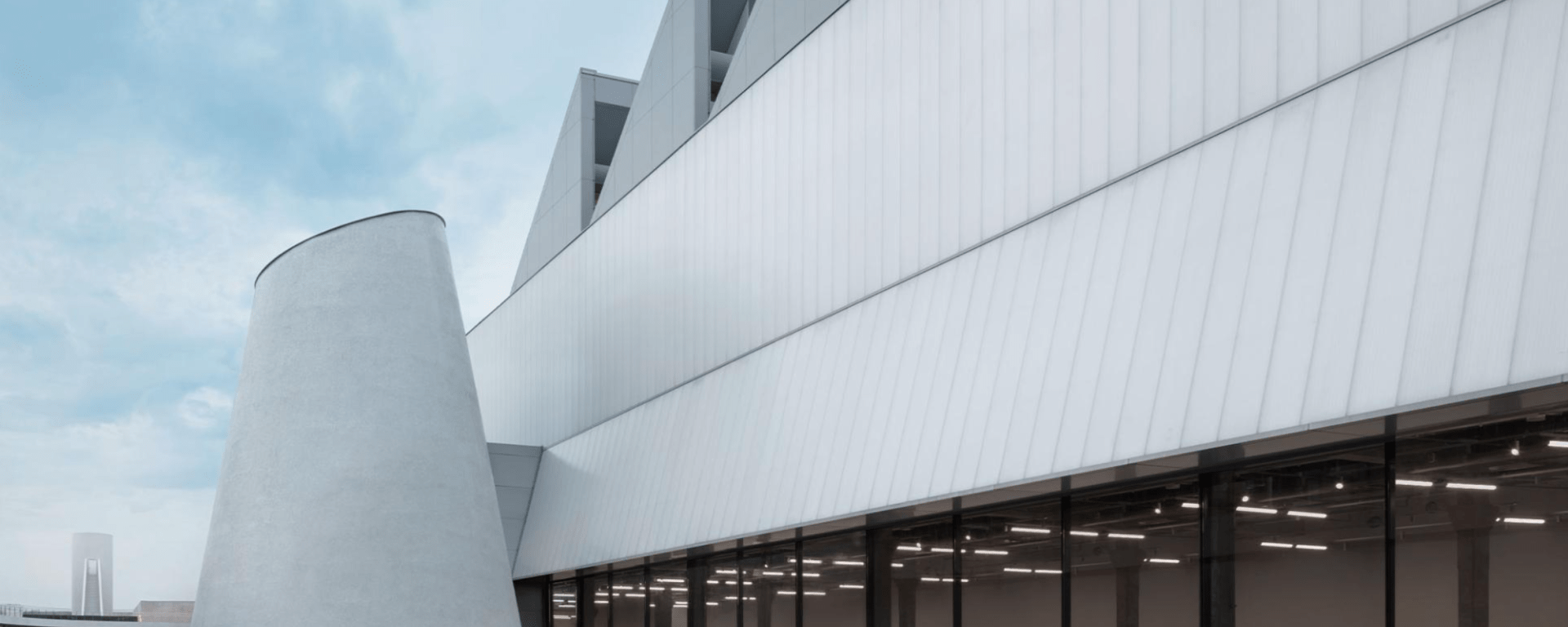
BANGKOK, THAILAND – Bangkok is no stranger to sensory overload, from the heat to the constant movement of tourists, to the food and its stimulating burst of culture. But come 21st December 2025, the city will gain a place designed for something rarer: pause. Dib Bangkok, Thailand’s first international contemporary art museum, is preparing to open its doors as a bold new cultural landmark, one that fuses global contemporary art, contemplative architecture, and Bangkok’s unmistakable creative pulse into a single, deeply immersive experience.
Founded by the Osathanugrah family, Dib Bangkok carries forward the artistic legacy of the late Petch Osathanugrah, whose lifelong passion for contemporary art laid the foundation for one of Southeast Asia’s most significant private collections. Today, that vision is being reimagined by his son, Purat (Chang) Osathanugrah, an influential Thai business leader, educator, and cultural advocate. Housed within a transformed 1980s warehouse in the Rama IV district, Dib Bangkok represents a living, breathing ecosystem for art, ideas, and human connection rooted in legacy, but built for the future.
“At Dib Bangkok, we see art as the ripest fruit of human imagination—something to be savored, questioned, and shared,” says Chang. “But more than that, we’re building Dib Bangkok to be a true creative oasis, a bridge between Thailand, Southeast Asia, and the global art scene— where deep art circles and the simply curious can come together. Bangkok, with all its energy, creativity, and unstoppable spirit, has long been overdue for an anchor to its contemporary art scene that matches its vibrancy—somewhere that celebrates art in a way as dynamic and bold as the city itself.”
Dib Bangkok opens with a collection that immediately places it on the international stage. The museum houses over 1,000 works by more than 200 artists from Thailand and across the globe, spanning painting, sculpture, photography, large-scale installations, and new media. With the majority of works created from the 1990s to the present, the collection focuses on art that challenges perception, provokes dialogue, and explores the emotional and philosophical complexities of human existence.
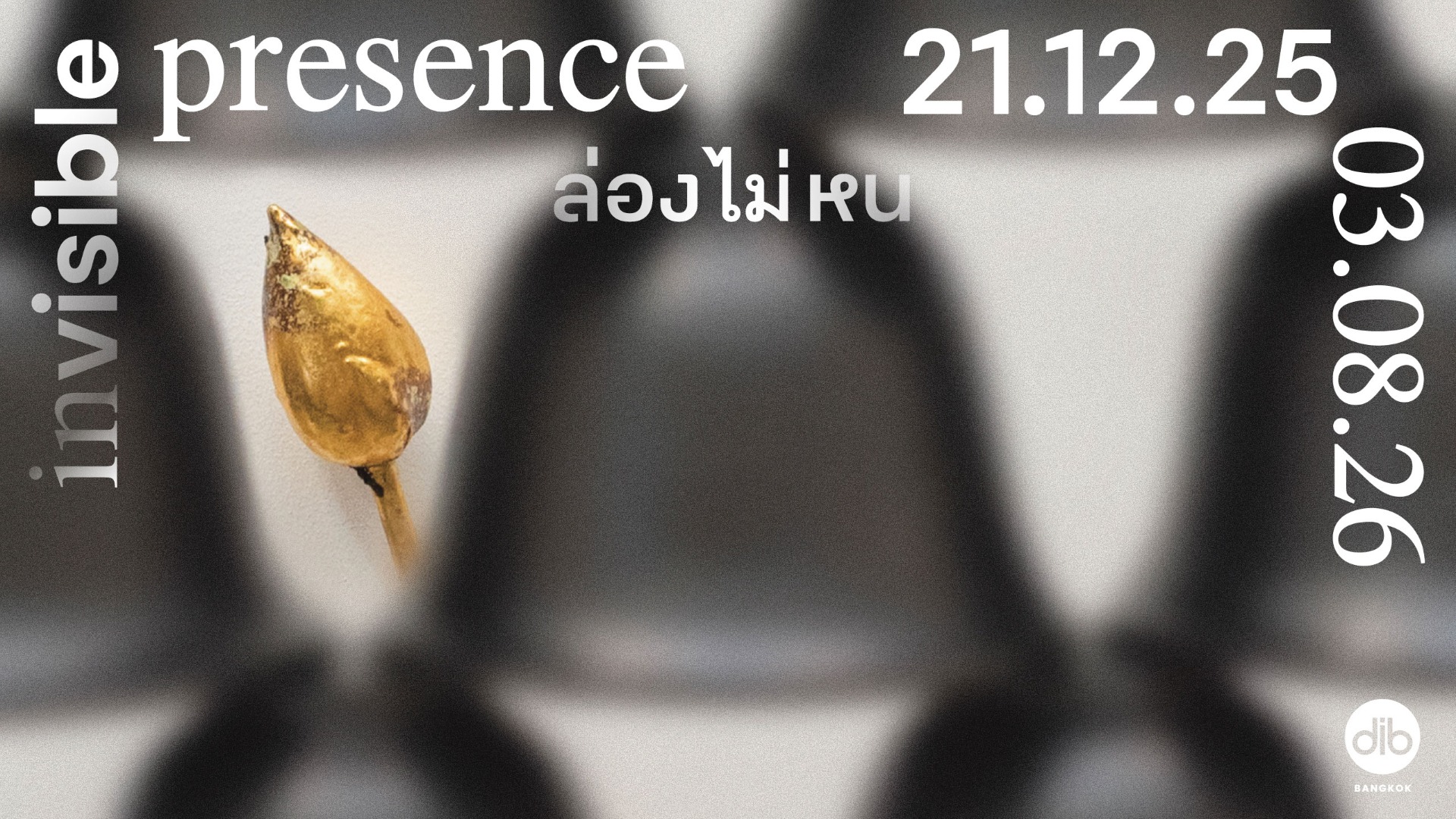
The museum’s inaugural exhibition, Invisible Presence, honors Petch Osathanugrah’s artistic philosophy through works that explore memory, absence, spirituality, and the unseen forces that shape our lives. Visitors can expect monumental installations by Montien Boonma, powerful sculptural works by Lee Bul, Anselm Kiefer, and Alicja Kwade, alongside compelling pieces by leading Thai and international artists. Spread across three expansive floors, the exhibition is designed to unfold slowly, encouraging reflection rather than rush.
One of the exhibition’s most striking contemporary commissions comes from Japanese artist Sho Shibuya. Each day since April 2020, Shibuya has painted the sunrise from his window on the front page of the daily newspaper. For Dib Bangkok’s grand opening, this ongoing series, Sunrise from a Small Window, is realized at a monumental scale. Visible from the nearby highway, the installation becomes part of Bangkok’s daily rhythm, inviting reflection on how we mark time in both personal and collective memory.
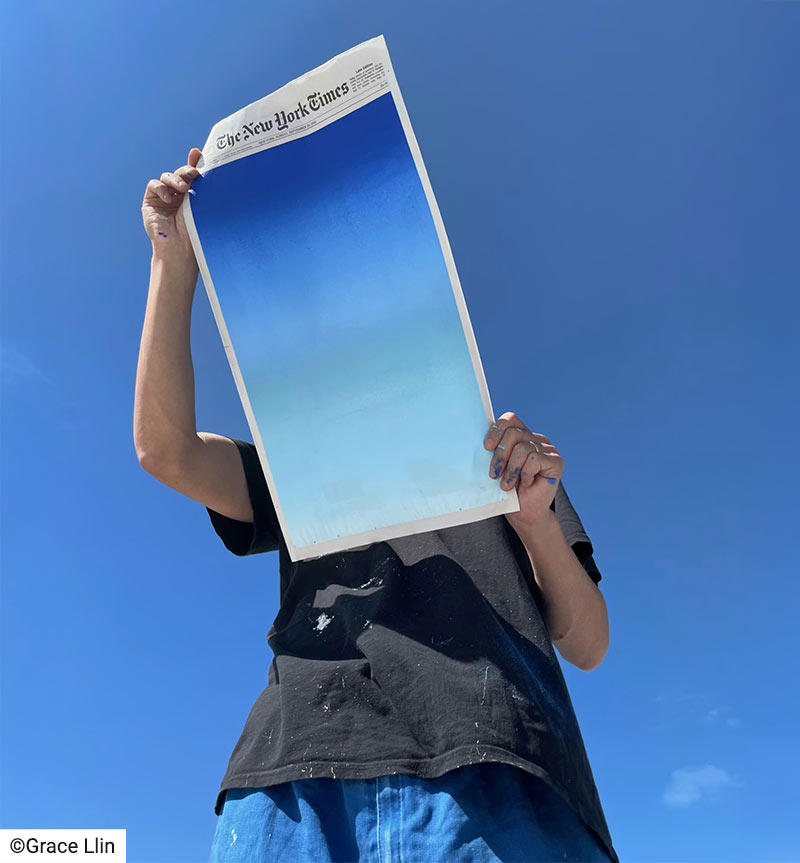
Shibuya’s systematic, ritualized practice draws inspiration from serial artists such as On Kawara and Tehching Hsieh. Yet while Kawara’s Date Paintings strip away imagery, Shibuya’s vivid skies remain deeply embedded in the shifting conditions of the world above. By painting directly over the daily newspaper, he juxtaposes the fleeting urgency of headlines with the timeless promise of a new dawn. This gesture resonates with works by Thai artists Udomsak Krisanamis and Rirkrit Tiravanija, whose practices also intervene in printed news to question truth, propaganda, and meaning. Shibuya’s paintings preserve only the masthead and fragments of text, allowing color and light to eclipse information, suggesting that lived experience often transcends the narratives we attempt to document.
The exhibition also includes a rare sculptural work by Shibuya titled Present: an interactive punch-card machine that offers visitors a physical “present” to take home. The gesture extends the artist’s meditation on time into the hands of the audience, transforming the museum visit into a personal marker of the present moment.
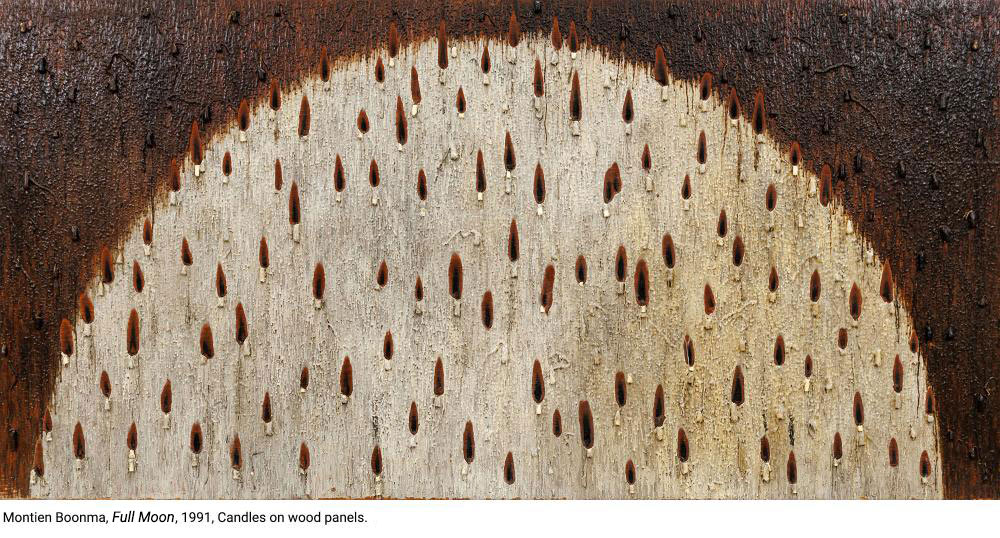
Dib Bangkok is also home to one of the world’s most significant collections of works by Montien Boonma, and the inaugural exhibition offers a thoughtful re-examination of his legacy. The display highlights major works from the 1990s and includes the recreation of important lost pieces that have not been seen in more than thirty years, developed in close collaboration with the Estate of Montien Boonma.
A pivotal figure in bridging Thai and international contemporary art, Boonma’s mature practice was shaped by encounters with European artists such as Joseph Beuys and Jannis Kounellis, while remaining deeply rooted in Buddhist philosophy. Upon returning to Thailand, he developed multisensory installations using local materials and often worked outside traditional art spaces. His practice invites meditative encounters with emptiness, breath, and impermanence as much as with form.
At Dib Bangkok, Boonma’s work is reactivated in the spirit he intended. The scent of herbal pastes — a signature element of his installations — has been carefully recreated in collaboration with conservators and the artist’s associates, foregrounding the simple yet profound act of breathing. Research conducted with the Estate has also uncovered new insights into works such as Lotus Sound, Zodiac Houses, and Prayer of Abihsot, one of the artist’s only video installations. A sound recording of the temple bells that inspired Lotus Sound allows visitors to experience how Boonma transformed nonvisual sensations into sculptural form.
By presenting lesser-known works alongside multisensory masterworks, Dib Bangkok broadens our understanding of Boonma’s crucial role in shaping a dialogue between Thai and global contemporary art.
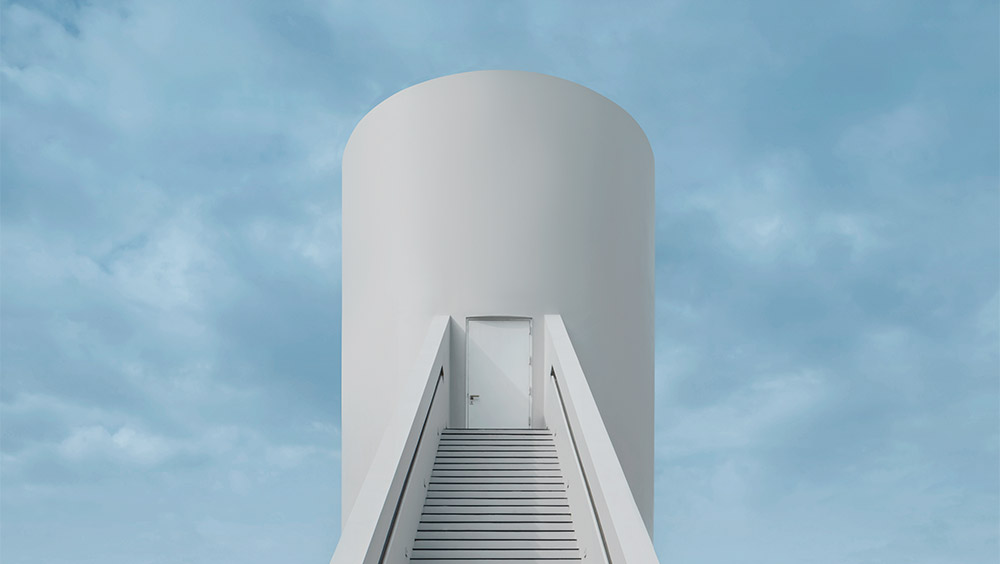
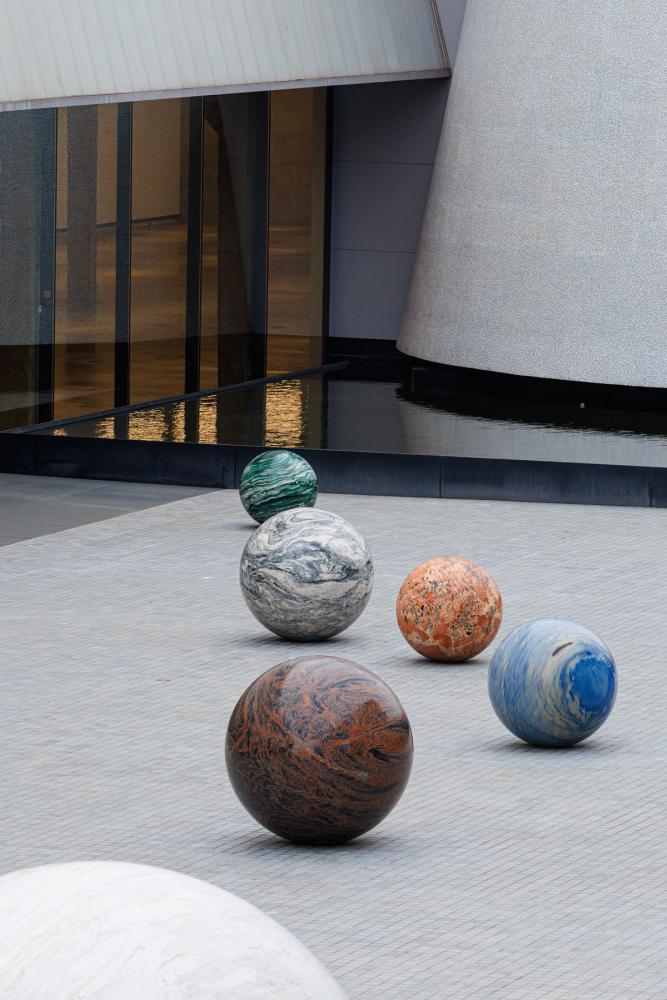
Designed by Kulapat Yantrasast of WHY Architecture, Dib Bangkok’s architecture is also as intentional as the art it houses. The adaptive-reuse structure spans 75,000 square feet, with eleven gallery spaces, a 15,000-square-foot central courtyard, an outdoor sculpture garden, and a penthouse venue for special events.
“With Dib Bangkok, WHY Architecture’s intent was to reflect the city’s evolving role as an international art destination, crafting a space that fosters dialogue among artists, curators, and the public, while supporting both community engagement and creative exchange,” Yantrasast explains.
The spatial journey draws inspiration from the Buddhist concept of enlightenment. The ground floor remains raw and industrial; concrete, weighty, grounded. The second floor grows quieter and more intimate, featuring preserved elements of the original structure, including an old Thai-Chinese window grille that evokes memory and transition. The third floor opens into luminous white-cube galleries flooded with natural light from skylights and capped by a striking sawtooth roof, creating a sense of elevation and clarity.
Embedded within this architectural journey is a permanent installation by James Turrell, titled Straight Up, his first major structure in Thailand. Widely regarded as a foundational figure of the Light and Space movement that emerged in Southern California in the 1960s, Turrell has spent decades shaping light into an architectural material that heightens awareness of perception itself.
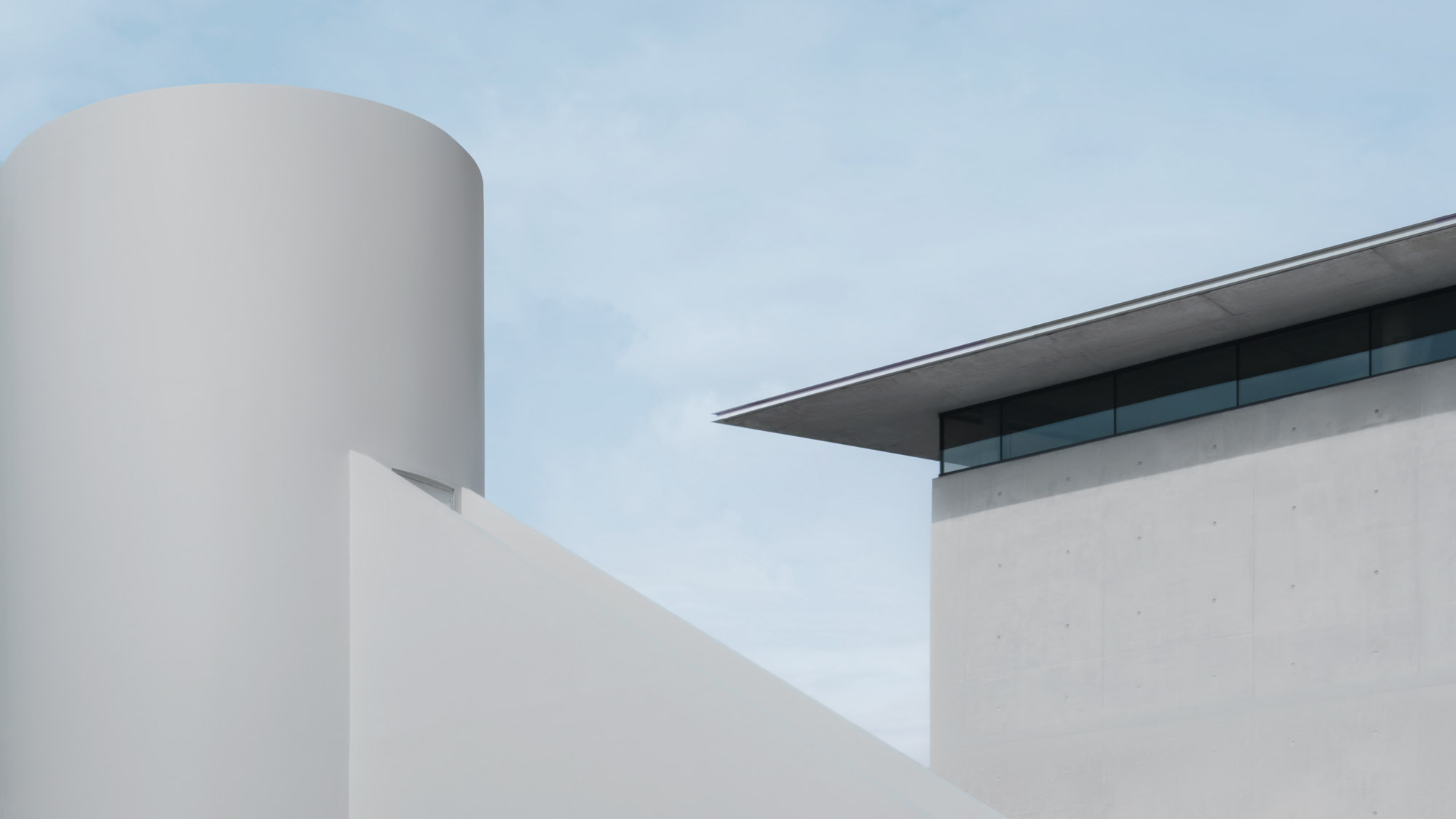
The first floor of Straight Up is a rare camera obscura room, where a small lens projects the image of the sky directly onto the floor, mirroring the way our pupils filter light onto the retina. The second floor features one of Turrell’s iconic skyspaces: a room with a precisely cut aperture that frames the sky above. These apertures, in the artist’s words, allow the sky to “drop down” to us, collapsing the perceived distance between the heavens and the viewer.
Turrell’s work resonates deeply within the Thai cultural context. In Buddhism, the sky symbolizes transcendence, a realm accessible through meditation and enlightenment. By disciplining attention and drawing the sky into an intimate architectural frame, Straight Up becomes a spatial metaphor for the human pursuit of inner awakening. The upper level is activated by a lighting program at sunrise and sunset, transforming each visit into a time-based ritual. Reservations are required, underscoring the work’s contemplative, almost ceremonial nature.
Dib Bangkok is built for movement, conversation, and return visits. Beyond exhibitions, the museum will host an evolving calendar of artist talks, curator-led tours, workshops, performances, and family-friendly programs, positioning itself as an active cultural hub rather than a static institution.
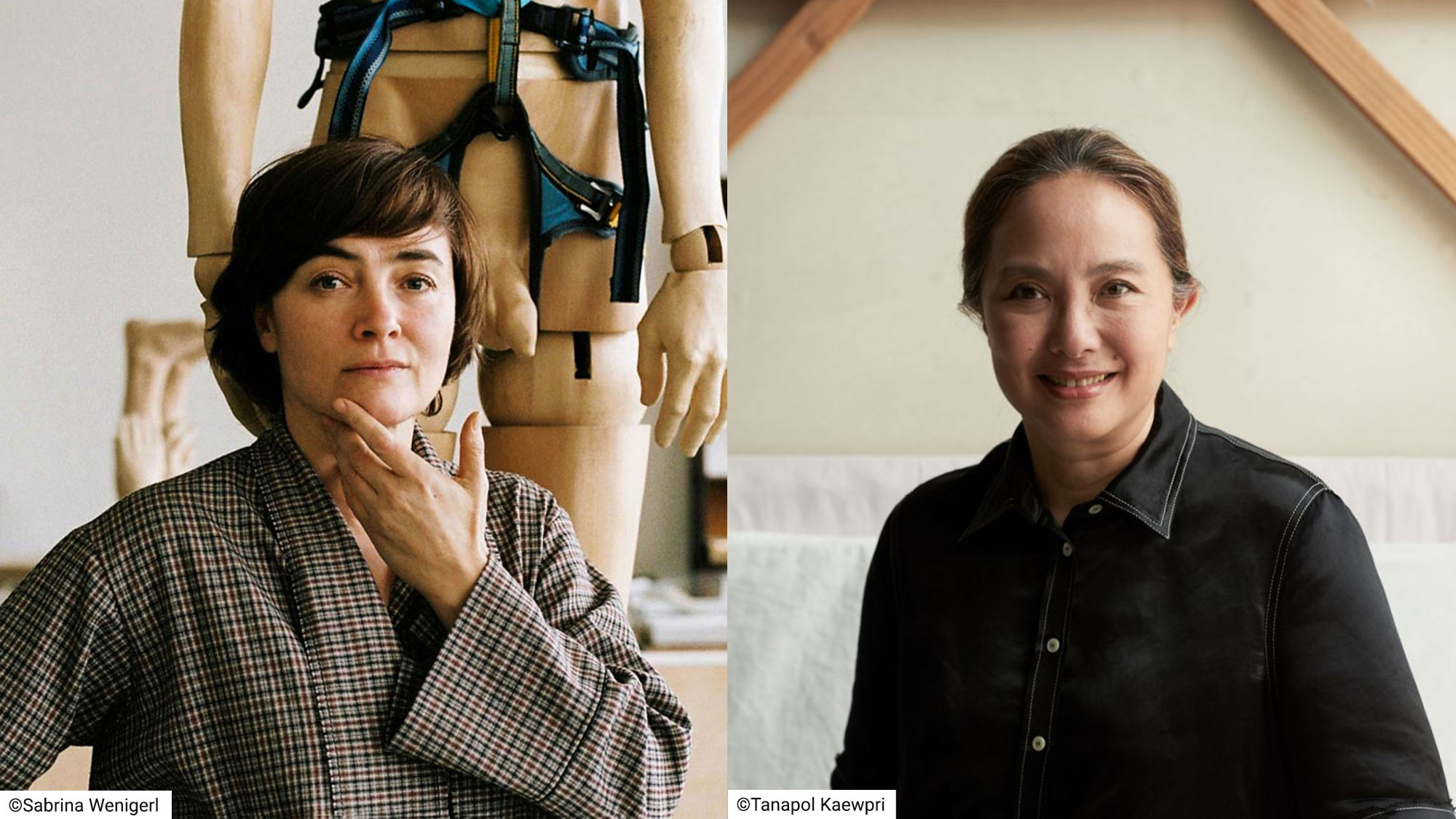
In conjunction with the grand opening of (In)visible Presence, the museum will host a series of in-depth Artist Talks featuring Alicja Kwade, Marco Fusinato, Paloma Varga Weisz, Pinaree Sanpitak, and Sho Shibuya. Hosted by the museum’s Director and Curator, these conversations offer rare insight into artistic practices, conceptual frameworks, and the development of new site-specific commissions at Dib Bangkok.
A dedicated satellite space, Dib26, extends the museum’s reach into the city, offering room for experimental projects, collaborations, and community-driven programming. Technology also plays a role: visitors will be able to engage with artworks through an AI-powered digital guide, offering multilingual, interactive interpretation that deepens access without disrupting the contemplative atmosphere.
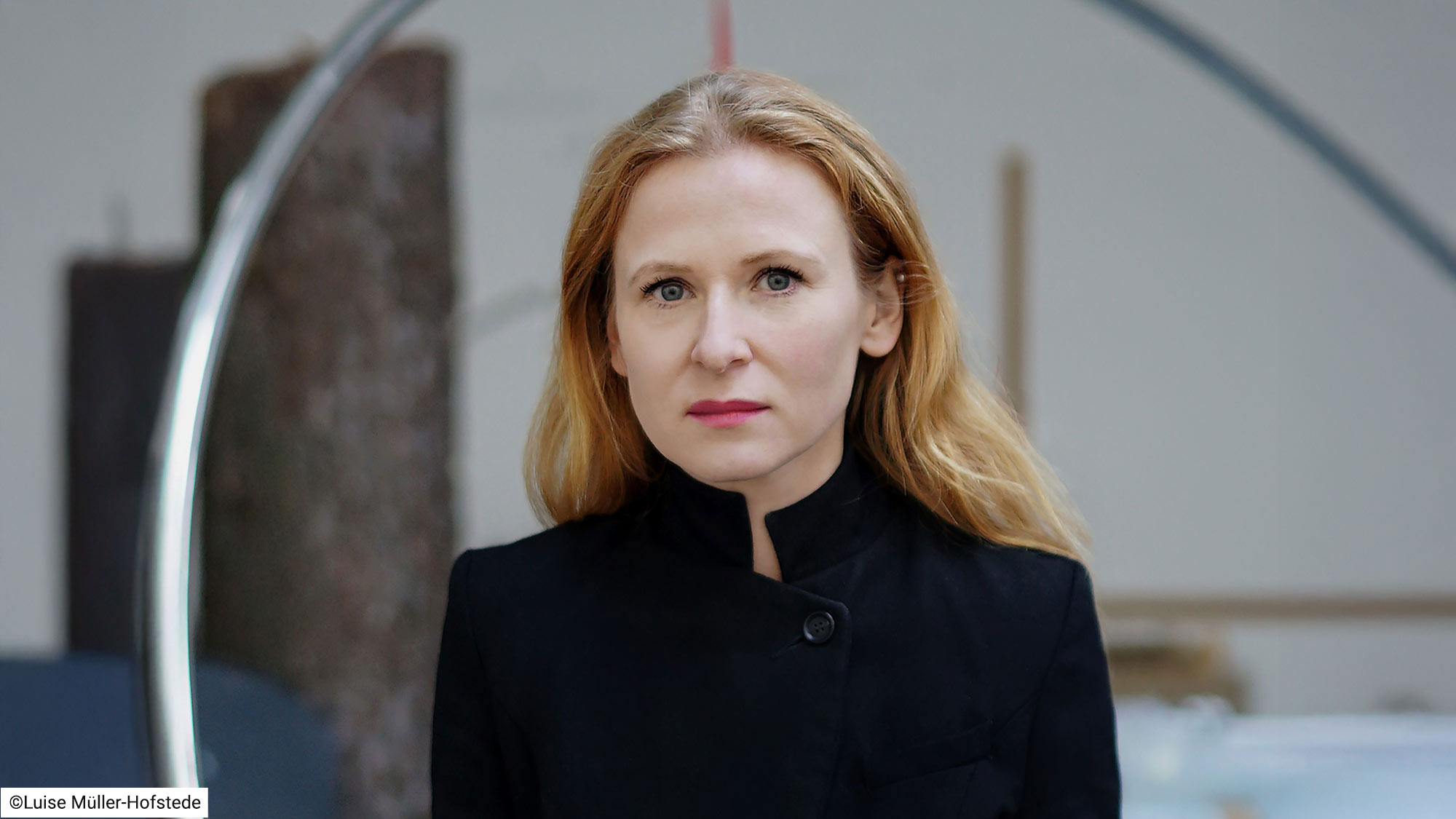
Dib Bangkok’s leadership reflects its international outlook. Dr. Miwako Tezuka, the museum’s Inaugural Director, brings decades of experience from major institutions in New York and beyond. Curator Ariana Chaivaranon adds further international depth, drawing on her experience at institutions across the United States, Europe, and Asia. “I am inspired by the visionary foundation laid by Petch and brought to the next generation by Chang, centered on profound conceptual and emotional engagement with contemporary art from across the globe,” says Dr. Tezuka. “As a new museum, we have the freedom to explore initiatives beyond traditional frameworks. I look forward to fully activating our collection, creating transcultural and transgenerational dialogue in art, and inviting diverse artists to engage and collaborate through various programs.”
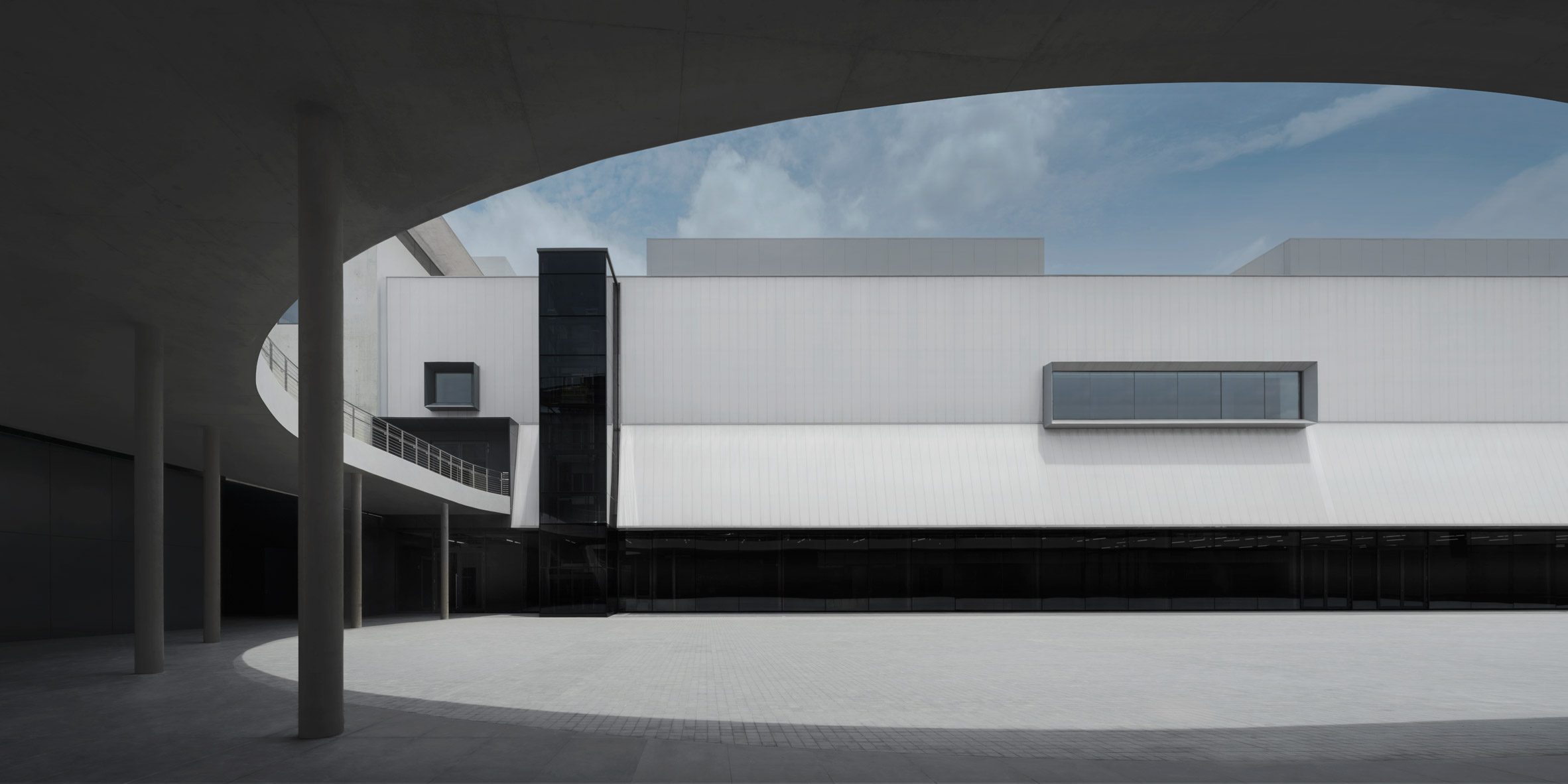
Located between Rama IV Road and Sukhumvit, Dib Bangkok arrives at a moment when the city’s creative energy is surging. Yet what sets it apart is its emphasis on stillness, depth, and reflection, offering a counterbalance to Bangkok’s relentless pace. “Supporting the arts and education has always been at the heart of our family’s purpose,” Chang adds. “We believe creativity and knowledge are what keep culture alive and evolving. It’s an incredible privilege to carry forward this multigenerational dream… We are building a space that offers a window into deeper art appreciation, a place where reflection and play coexist, and where every visit brings something new and unexpected.”
When Dib Bangkok opens its doors this weekend, it is set to redefine how contemporary art is experienced in Thailand raw, immersive, global, and unmistakably human, and certainly, mark a welcome new space to house the best international art and further catapult the city into the international art spotlight.
Photos from Dib Bangkok
Dib Bangkok opens on 21st December 2025. It is located at 111 Soi Sukhumvit 40, Phra Khanong, Khlong Toei, Bangkok 10110 Thailand. More information on Dib Bangkok available here
 Bakchormeeboy