
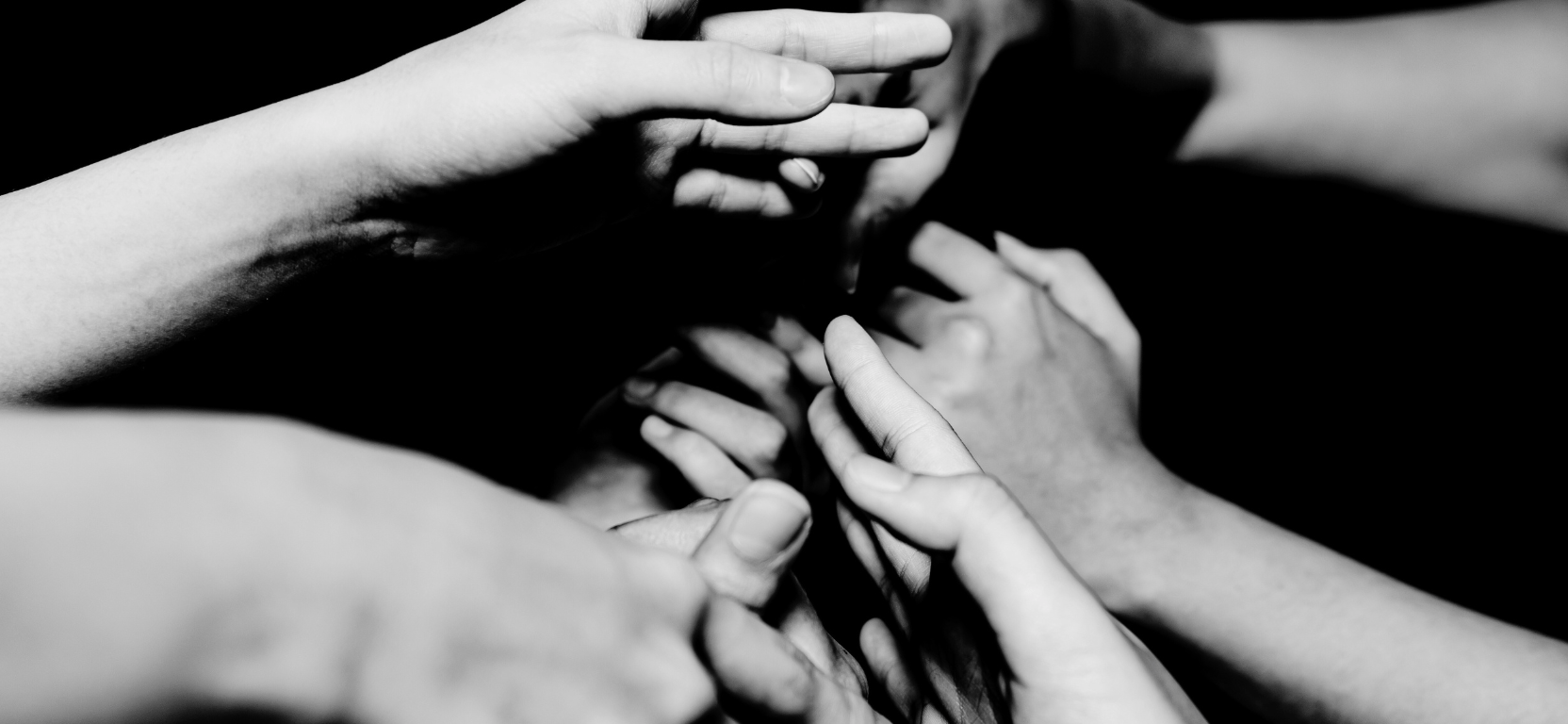
Can the arts heal pain? In tackling issues such as vulnerability, trauma and the desire to heal, the students of the BA (Hons) in Performance Making programme at Nanyang Academy of Fine Arts are attempting to do just that, in Dancing with the Ghost of My Child in January. Playing as part of the M1 Singapore Fringe Festival 2025, the devised work is led by director Noor Effendy Ibrahim and choreographer Ruby Jayaseelan, as the experimental physical theatre work explores despair, and the ability to find hope within. Read our interview with Effendy and Ruby in full below, as we delve more into the creative process, and the art of care:
Bakchormeeboy: What was the initial idea behind Dancing with the Ghost of My Child, especially when it came to the title?
Effendy and Ruby: The title is directly borrowed from Effendy’s ongoing personal performance research into longing and loss through the examination of violence and tenderness. The title was introduced to the student performers at the start of the process to elicit visceral and critical responses and what surfaced were stories and narratives of trauma both lived and learned. This led to the process of devising the script as well as the performance through the articulation of personal memories into monologues.

Bakchormeeboy: With a work that deals with vulnerability, trauma and the desire to heal, how difficult was the devising process like – especially when it came to the care that goes into excavating pain and trauma and turning it into art?
Effendy and Ruby: It is always challenging to confront the self in and through art, on a personal and collective level. We are always discovering new facets of ourselves and each other as we create, connect, learn. We support each other by grounding and holding the space with as much awareness and empathy as we can, but it can get difficult sometimes, as human emotions can be. But as tumultuous as these processes can be, it has also led to revealing, enlivening, and nourishing spaces, making it quite a dynamic and interesting experience.

Bakchormeeboy: How optimistic or hopeful do you feel about the next generation of art makers, whether it’s in terms of raw talent and ideas, or the working environment that they are about to enter upon graduation?
Effendy and Ruby: It is always interesting to observe and witness how younger generations of art makers respond to and resolve challenges that are specific to the climate for art making brought upon by context such as economics, politics, societal demands, etc. Many are able to adapt to the fast-changing societal landscape that dictates tastes in and expectations of art along with its roles and functions. What is more assuring is when young art makers resist obedience to these tastes and expectations, and instead confront and challenge them to prevent stagnation and suffocation of the arts.

Bakchormeeboy: As educators and mentors, how much do you see the students benefitting from this collaborative process – would you say that they are learning more from you, from each other, or from the process of simply devising?
Effendy and Ruby: All of the above. Creating something together out of nothing can be a revolutionary experience when we are absolutely “in” it. And these students are “in” it. The process of interdisciplinary collaboration (between dance and theatre students) is one of the distinctive features of the Bachelor of Arts (Honours) Performance Making (BAPM) course.
Bakchormeeboy: The synopsis of the work starts with a quote from Artaud, about being an “absolute abyss”. In the face of trauma and damage, how do we hold on to hope and the will to carry on?
Effendy and Ruby: We just have to, and not by simply hoping and willing. There must be action.

Bakchormeeboy: How do you balance the different skillsets of the students, especially as a work that requires both speech and movement, and ensure everyone gets a chance to shine?
Effendy and Ruby: We try to perceive and experience the body as holistically as possible, without separating the skillsets too much. This way, we see and honour each individual’s strengths and limitations.

Bakchormeeboy: How do you personally relate to the theme of displacement, and how do you hope audiences might consider that, or the kinds of issues and questions they might think about after watching this production?
Effendy and Ruby: We feel tormented by the multitude of injustices related to displacement and seek collective awareness, empathy and freedom.
Photo credit: Alex Chua
Dancing With The Ghost of My Child plays from 9th to 12th January 2025 at the NAFA Theatre Studio. Tickets available from Book My Show
The 2025 M1 Singapore Fringe Festival will run from 8th to 19th January 2025. More information and full line-up available here
To contribute towards the Fringe Festival Fund, visit donate.necessary.org or Giving.sg.
 Bakchormeeboy
One thought on “M1 Singapore Fringe 2025: An Interview with Noor Effendy Ibrahim and Ruby Jayaseelan on ‘Dancing with the Ghost of My Child’”