
HONG KONG – Each March, Hong Kong transforms into a global art capital, drawing collectors, curators, and institutions into a dense calendar of fairs and exhibitions. This year, amid the energy of Art Central Hong Kong, a new initiative signals a subtle but meaningful shift in the region’s cultural landscape.
For the first time, a Macau-based integrated tourism and leisure enterprise has stepped onto this international platform. Sands China’s debut as an associate partner of Art Central marks more than a milestone: it reflects a broader ambition to position Macau as an emerging cultural exporter.
“Art Central is our first step in introducing Macau artists to the international arena,” says Wilfred Wong Ying-wai, President and Executive Director of Sands China Ltd. “We want to take Macau art outside of Macau and onto the global stage.”
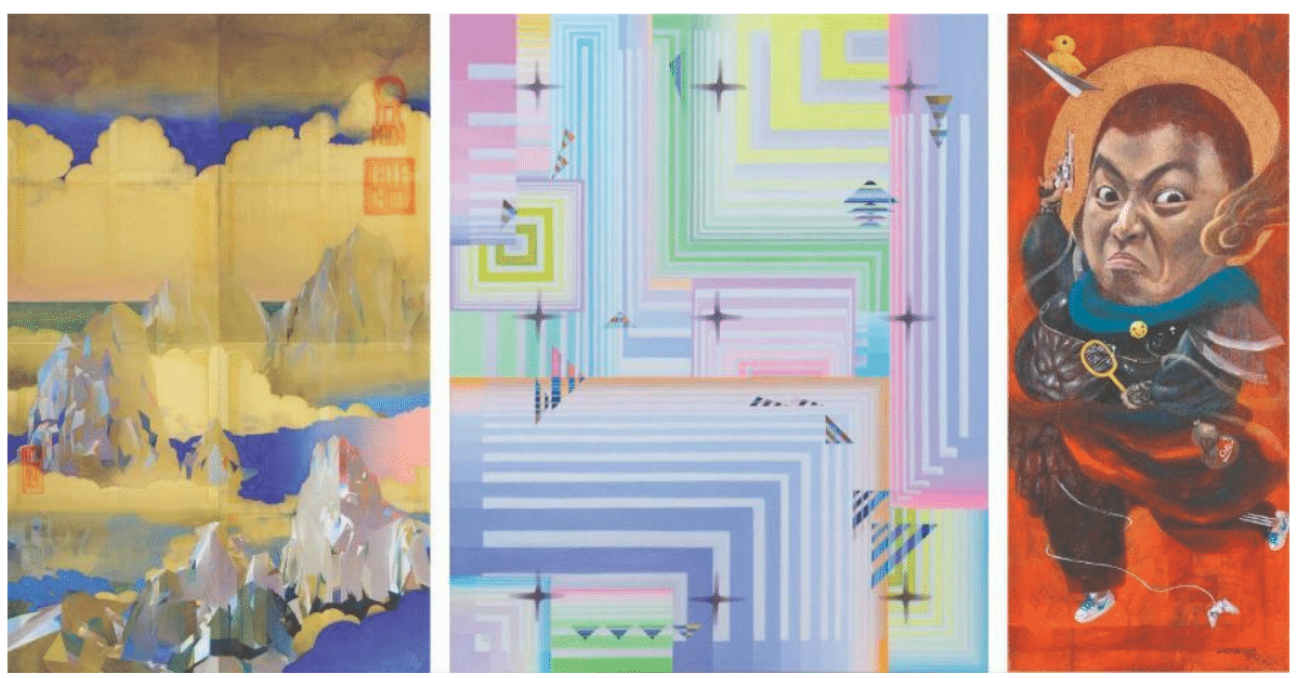
At the fair, Sands Gallery presents works by three contemporary Macau artists, each offering a distinct lens on the city’s evolving identity. Lei Ieng Wai’s practice is rooted in the interplay of light and shadow, drawing on scientific principles to construct precise fields of colour and luminosity. His works translate artificial spectra and geometric structures into meditative visual systems that reflect the rhythms of urban life.
Leong Chi Mou, working across painting and installation, takes a more conceptual approach. His practice interrogates value—cultural, economic, and personal—through the lens of migration and Macau’s post-colonial condition. The result is a body of work that probes how identity is shaped, negotiated, and sustained.
Dor Lio Hak Man, by contrast, adopts a quieter, more introspective language. Influenced by Japanese manga and Western painting, his works capture fleeting impressions of daily life, weaving emotional resonance with philosophical reflection into a visual style that feels both intimate and open-ended. Together, the three artists signal what might be described as a new wave, one that is rooted in Macau yet outward-looking in sensibility.
For Wong, the significance of this presentation lies not just in exposure, but in continuity. “Following through is very important,” he says. “It’s not just about providing a platform, but helping artists reach the next level.”
That philosophy underpins Sands China’s broader cultural strategy, which aligns with Macau’s push to diversify its economy beyond gaming. Art and culture, Wong emphasises, are central to that transformation. “We don’t expect quick returns, this is like watering a plant; you have to keep nurturing it.”
The approach is deliberately long-term: identify emerging talent, support their development locally, and create pathways to international visibility. Participation in Art Central is one step in that process, with future opportunities envisioned across the Greater Bay Area and beyond. “Art appreciation depends on visibility,” Wong adds. “Like in sports, you need to compete internationally to understand your level.”
A key part of this ecosystem is the structure of Sands Gallery itself. Operating on a not-for-profit basis, the gallery offers artists a rare degree of freedom within a commercial art environment. “We don’t have financial interests to protect,” Wong explains. “Artists are free to engage with other galleries, curators, and collectors.”
This openness is intentional. Success is measured not in sales, but in opportunity. “If they gain opportunities from this exhibition, then we have succeeded. If not, we want to understand why and improve.”
While the Art Central presentation looks outward, Sands Gallery’s current exhibition in Macau, A Century of Iec Long Firecracker Factory in Radiance, provides a complementary inward gaze. Elements of this history are subtly woven into the booth design, referencing Macau’s once-thriving firecracker industry, an era when the city exported not just goods, but visual culture and craftsmanship to the world.
The gesture is symbolic. It frames contemporary artistic production within a longer continuum, linking today’s practitioners with a legacy of making, trade, and cultural exchange shaped by East–West influences.
If Hong Kong’s Art Month represents the region at its most globally connected, Macau’s presence within it suggests a city in transition, one that is beginning to articulate its cultural voice on an international stage. “This is just the beginning,” Wong says. “We want young artists to interact with the world, to grow, and to mature.”
The ambition is clear: to move from local recognition to global participation, building an ecosystem where heritage and contemporary practice are not separate tracks, but part of the same trajectory. In that sense, the journey from firecracker workshops to international art fairs is not as distant as it might seem. Both are expressions of a city shaped by exchange, now finding new ways to be seen.
Art Central 2026 runs from 24th to 29th March 2026 at Central Harbourfront Hong Kong, 9 Lung Wo Road. Tickets and more information available here
 Bakchormeeboy