

For film lovers in Singapore, this October comes with a particularly special date to circle on the calendar. The 37th Singapore International Film Festival (SGIFF) will honour acclaimed Japanese filmmaker Hirokazu Kore-eda with its Cinema Honorary Award, the festival’s highest accolade recognising filmmakers who have made exceptional and enduring contributions to Asian cinema.
Kore-eda will be in Singapore on 24 October, when he will attend a Special Presentation of Look Back, marking the film’s Southeast Asian premiere ahead of its theatrical release on 29 October. He will also take part in an In Conversation With session, where he will receive the honorary award.
The 37th edition of SGIFF runs from 21 October to 1 November 2026, with this year’s programme promising not only a strong slate of films, but a significantly expanded platform for the people and ideas shaping cinema behind the scenes.
Kore-eda has built his reputation on films that look closely at family, childhood and the quiet tensions between individuals and the social structures around them. His work includes Nobody Knows, Like Father, Like Son and Monster, while his 2018 film Shoplifters won the Palme d’Or at the Cannes Film Festival, the first Japanese film in more than two decades to take home the festival’s top prize. His more recent films, including Sheep In The Box, Broker and Monster, have continued to receive both critical recognition and commercial success.
Now, Look Back brings him into another creative territory. Adapted from acclaimed manga creator Tatsuki Fujimoto’s one-shot manga, the film follows Fujino, a confident young manga artist whose self-assurance is shaken when she encounters the work of Kyomoto, a reclusive girl whose drawings far surpass her own. What begins as envy develops into friendship as the two girls pursue their manga ambitions, until their creative paths begin to pull them apart.
For Kore-eda, the story offers familiar territory despite its manga origins: children observed closely, relationships unfolding over time, and emotion allowed to emerge without excessive sentiment. The film also marks the first live-action feature film adaptation of any manga by Fujimoto, and follows in the footsteps of the recent anime adaptation of the manga.

Kore-eda is not the only major Asian filmmaker taking centre stage at this year’s festival. South Korean New Wave filmmaker Yim Soon-rye will serve as Jury Head of the Asian Feature Film Competition, SGIFF’s platform for emerging and established cinematic voices from across the region.
Yim has built an acclaimed career around socially conscious stories and a sympathetic focus on marginalised lives, beginning with her 1996 debut Three Friends. Her filmography includes Waikiki Brothers, Forever the Moment, The Whistleblower, Little Forest and The Point Men. Singapore audiences will also have the opportunity to hear directly from Yim during SGIFF Industry Days on 27 October, where she will discuss her creative process and filmmaking practice.
Beyond the screenings, SGIFF 2026 is expanding the festival’s industry programme, SGIFF Pro, into a broader platform connecting filmmakers, students, technology innovators and decision-makers from across the international film industry.
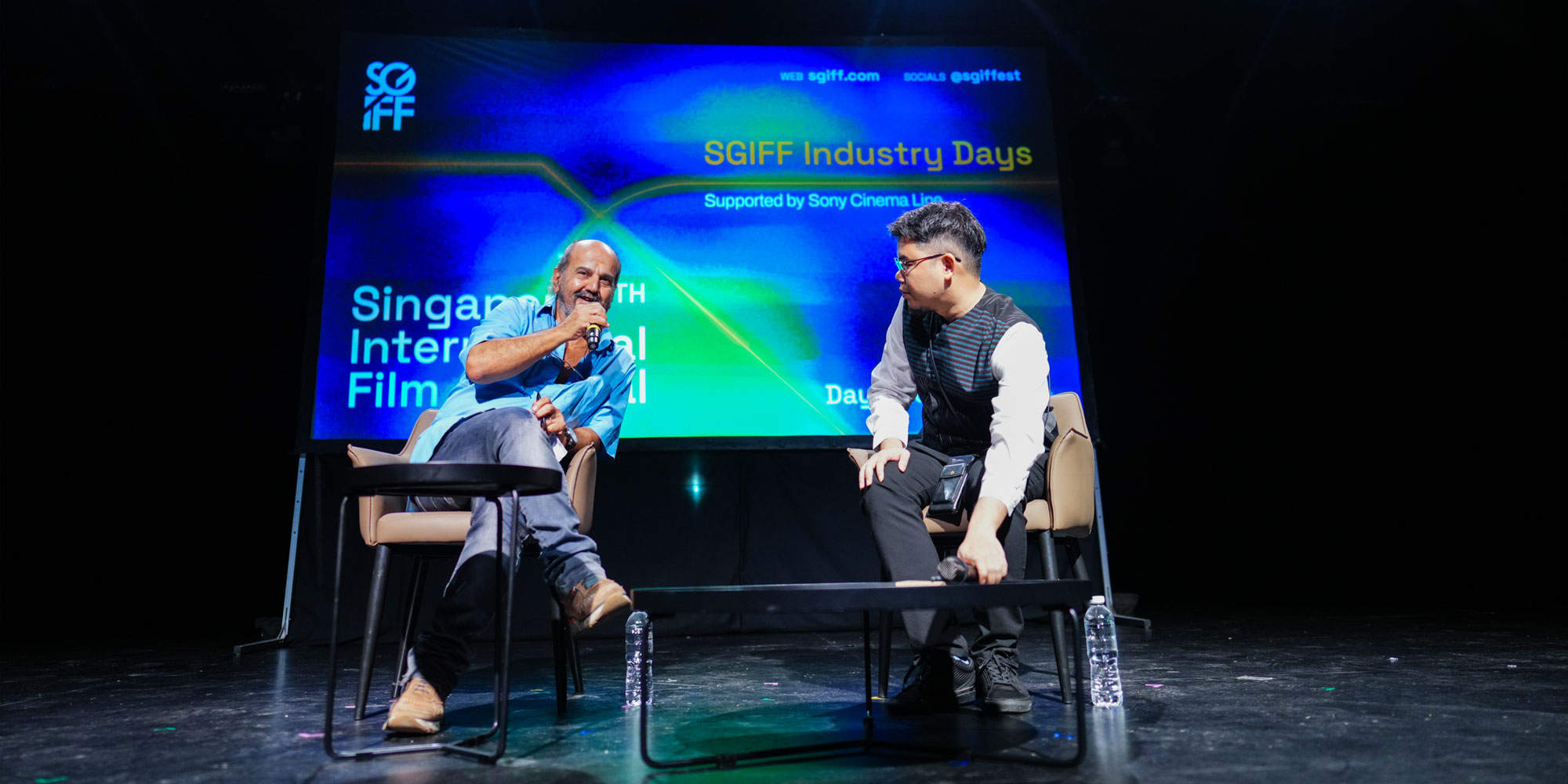
This year, Industry Days expands from three days to four, with speakers including cinematographer Akiko Ashizawa, laureate of the 2026 Pierre Angénieux Tribute presented during the 79th Cannes Film Festival, and acclaimed filmmaker Koji Fukada, whose Singapore co-production Nagi Notes will screen in the festival’s Horizon section.
There are also three new additions designed to make the industry side of the festival more practical and outward-looking. Off Campus is a new four-day field trip that will give students from selected film schools a direct look at the realities of working in the film industry. Running alongside Industry Days, Off Campus will bring students into bite-sized encounters with international practitioners and industry experts, complementing classroom learning with practical experience.
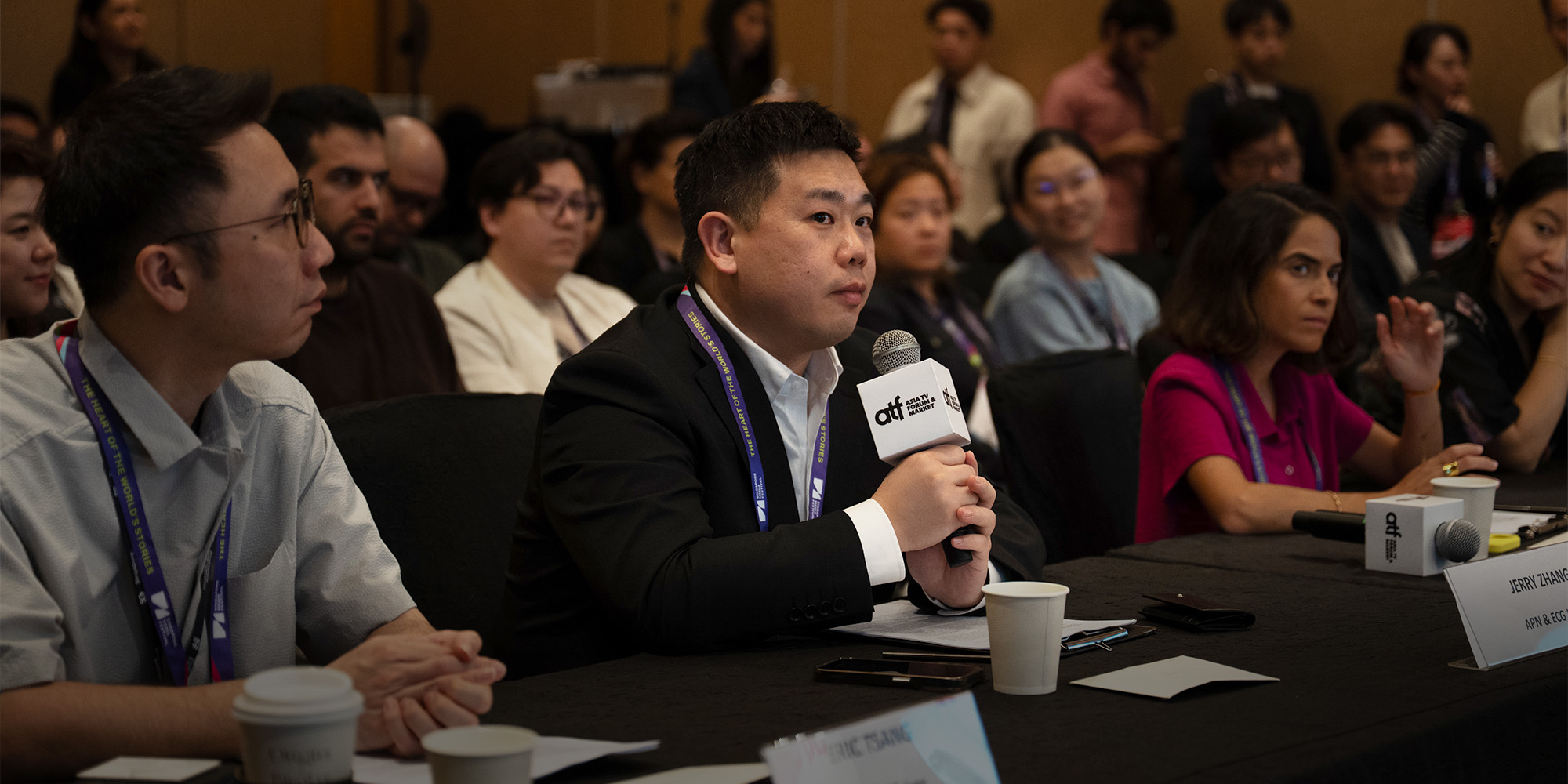
For filmmakers looking beyond the festival circuit, the new Pitching Forum is designed to connect international projects with decision-makers and potential local co-production partners. The programme aims to strengthen Singapore’s position as a co-production hub in Southeast Asia, with curated business matching allowing participants to develop relationships and explore potential collaborations beyond the formal sessions.
Perhaps the most future-facing addition is Parallax, a free-to-attend interdisciplinary programme examining the increasingly complicated relationship between filmmaking, AI and immersive technology. Rather than simply showcasing new tools, the programme will explore questions around ethics, authorship and how technology can elevate human creativity, bringing together technologists, innovation leaders and creators from organisations including Amazon MGM Studios, SM Entertainment, Adobe, Largo.ai and Ubac Studio.
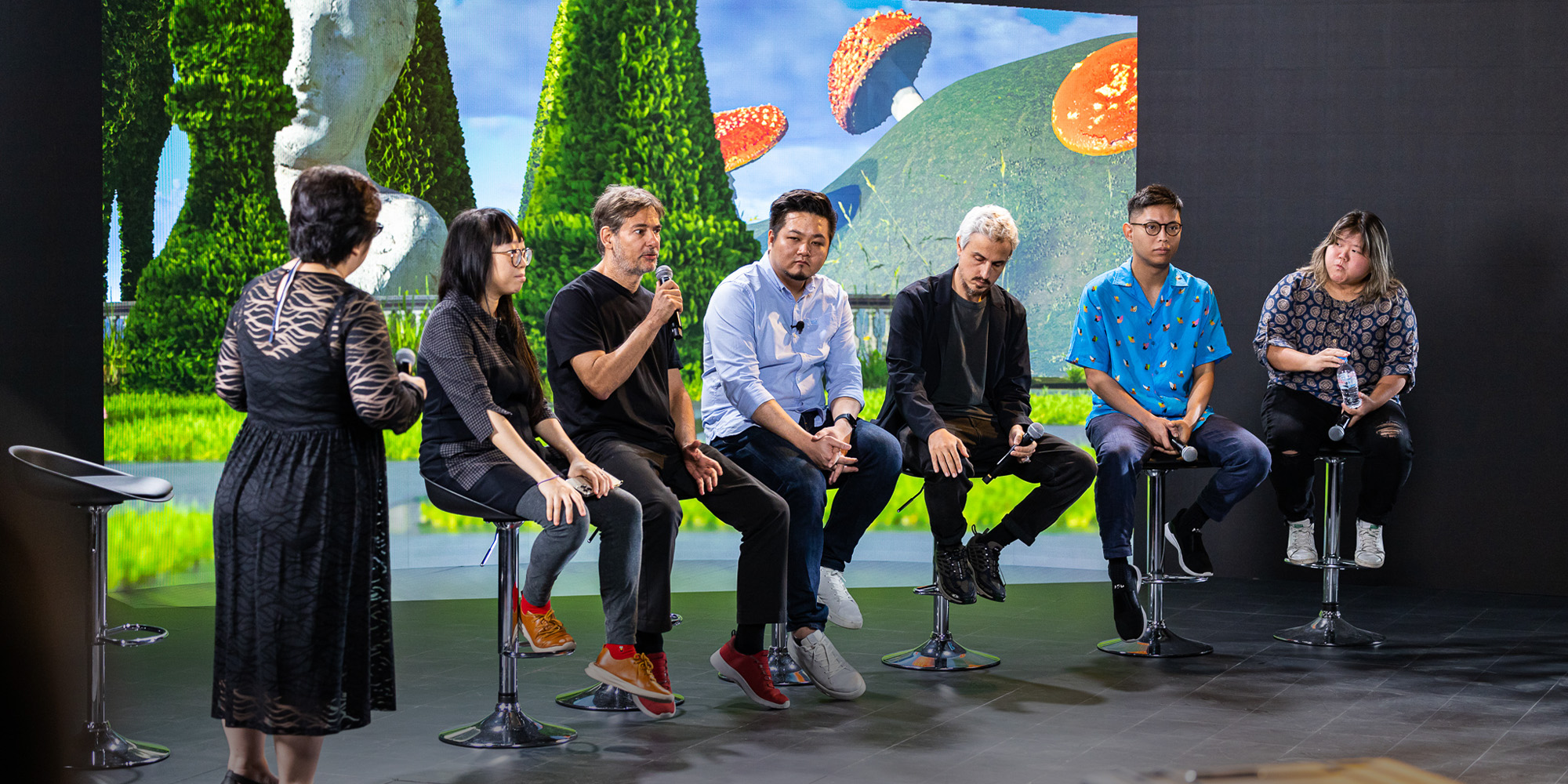
Taken together, this year’s announcements suggest an SGIFF that is growing beyond the traditional idea of a film festival. There is still the essential pleasure of sitting in a dark cinema and discovering a filmmaker from somewhere in Asia. But increasingly, SGIFF is also becoming a place to ask how those films are made, who gets to make them, what technology might change the creative process, and how Singapore can connect local talent with the wider world.
And with Kore-eda arriving in person to accept one of the festival’s highest honours, alongside the Southeast Asian premiere of his latest film, this year’s edition has a particularly strong cinematic anchor. For Singapore audiences, this is already an edition of SGIFF to look out for before they even release the full programme. More to come as we edge ever closer to the 37th edition of Singapore’s biggest film festival of the year.
Photo Credit: SGIFF
The 37th SGIFF runs from 21st October to 1st November 2026. More information available via their website here


One thought on “Film: SGIFF 2026 to honour Hirokazu Kore-eda and screen Southeast Asian premiere of ‘Look Back’ this October”