
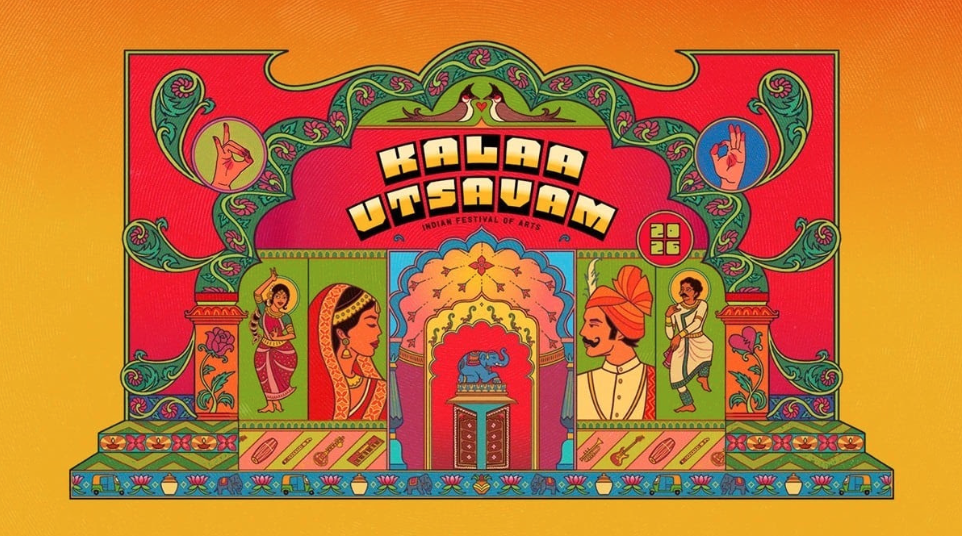
For 25 years, the Esplanade’s Kalaa Utsavam – Indian Festival of Arts has grown alongside Singapore’s Indian arts community, creating a space where classical traditions, contemporary ideas and new artistic voices can meet. Its 25th edition, taking place from 20 to 29 November 2026 at Esplanade – Theatres on the Bay, marks the occasion not simply by looking back, but by asking what Indian arts can look and sound like today.
The festival brings together dance, theatre, music, comedy and participatory programmes, moving from Bharatanatyam and Carnatic music to Tamil cinema-inspired cabaret, Singaporean stories, stand-up comedy and South Asian underground sounds.
“Indian arts have always drawn from tradition while continually evolving and finding new forms of expression,” says V M Sai Akileshwar, Producer, The Esplanade Co Ltd. “That spirit lies at the heart of Kalaa Utsavam: bringing together leading artists and emerging voices, cherished traditions and bold new expressions in a festival that is artistically ambitious, culturally relevant and welcoming to all.”
Dance
Songs of the Bulbul

The festival opens one of its major dance conversations with Songs of the Bulbul, presented by Aakash Odedra Company from the UK on 20 November. Drawing on kathak and Sufi storytelling, the work takes inspiration from an ancient Sufi myth about a bulbul and its longing for freedom, divine love and release from captivity. Choreographed by Rani Khanam, with music by Rushil Ranjan, the production brings together movement, music and storytelling in a work that considers ideas of freedom and devotion through a contemporary performance language.
Ether to Earth: Muthuswami Dikshitar’s Ode to the Five Elements
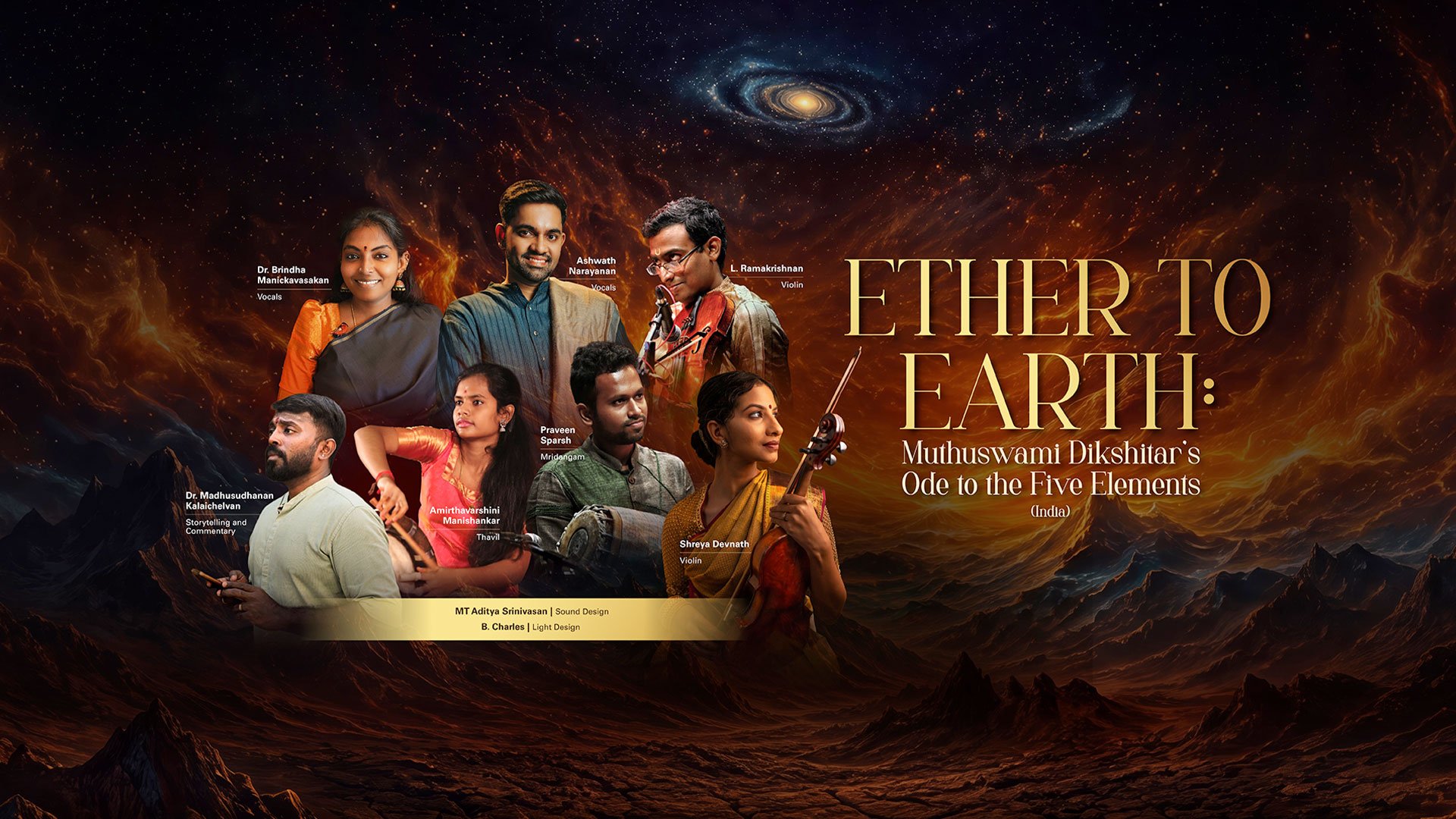
Classical Carnatic music becomes an immersive theatrical experience in Ether to Earth: Muthuswami Dikshitar’s Ode to the Five Elements, presented on 22 November. Featuring vocalist Ashwath Narayanan and percussionist Praveen Sparsh, the production draws on Muthuswami Dikshitar’s Pancha Bhootha Kritis, dedicated to the five elements of nature. Music is combined with narrative, visuals and ambient sound, giving audiences a sensory way into a classical repertoire.
இன்று புதிதாய் பிறந்தோம் Today We Are Born Anew
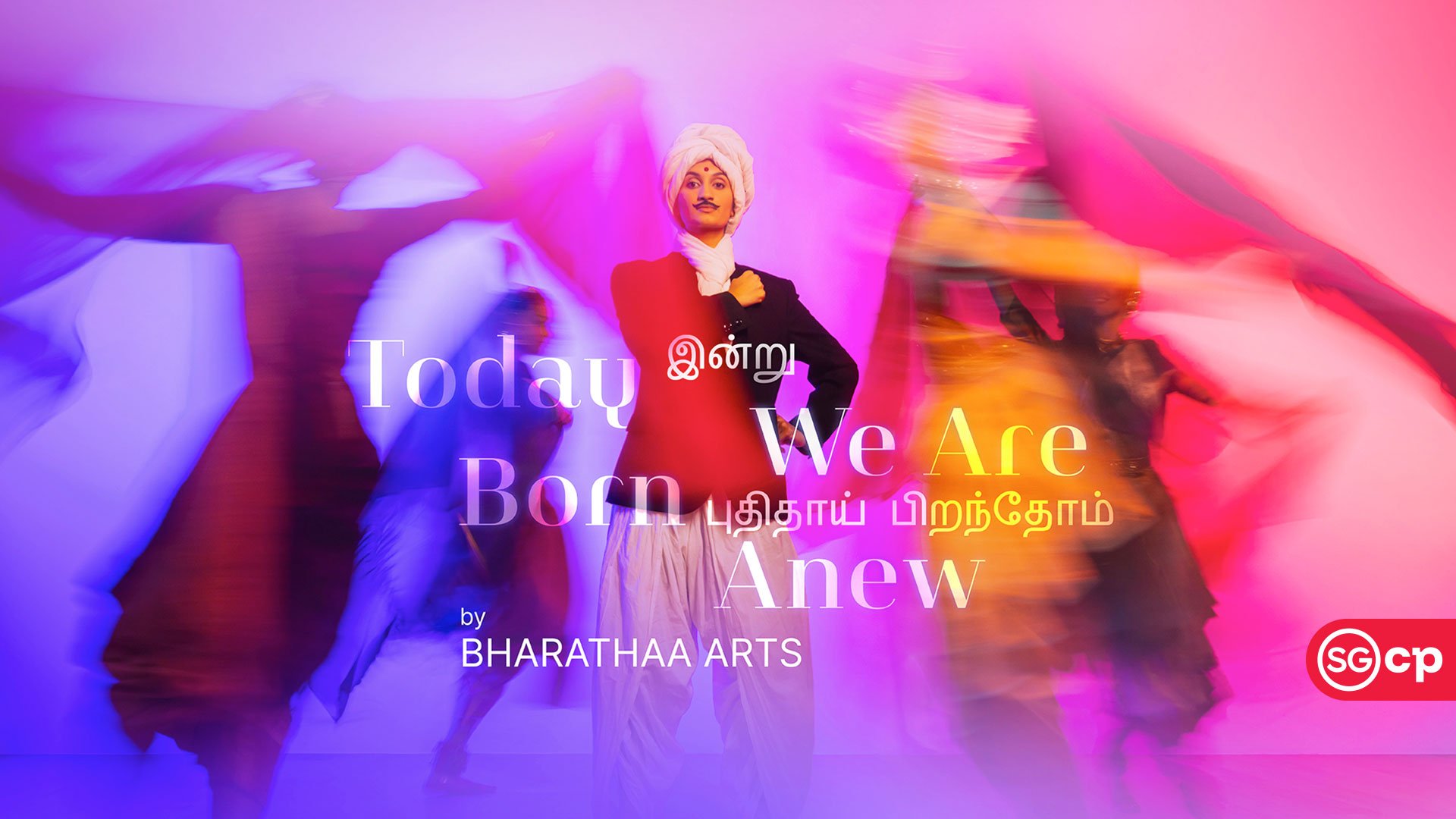
Bharatanatyam takes on a more reflective tone in இன்று புதிதாய் பிறந்தோம் (Today We Are Born Anew), inspired by Mahakavi Subramania Bharathiyaar’s Puthiya Aathichudi, a collection of concise moral and philosophical verses. Through Bharatanatyam, poetry, music and narration, the production considers what we fear, what we accept without question and what we might need to change. Bharathiyaar’s ideas become a starting point for questions about courage, truth, compassion and social progress — and the possibility of beginning again.
Theatre
Rafta Rafta
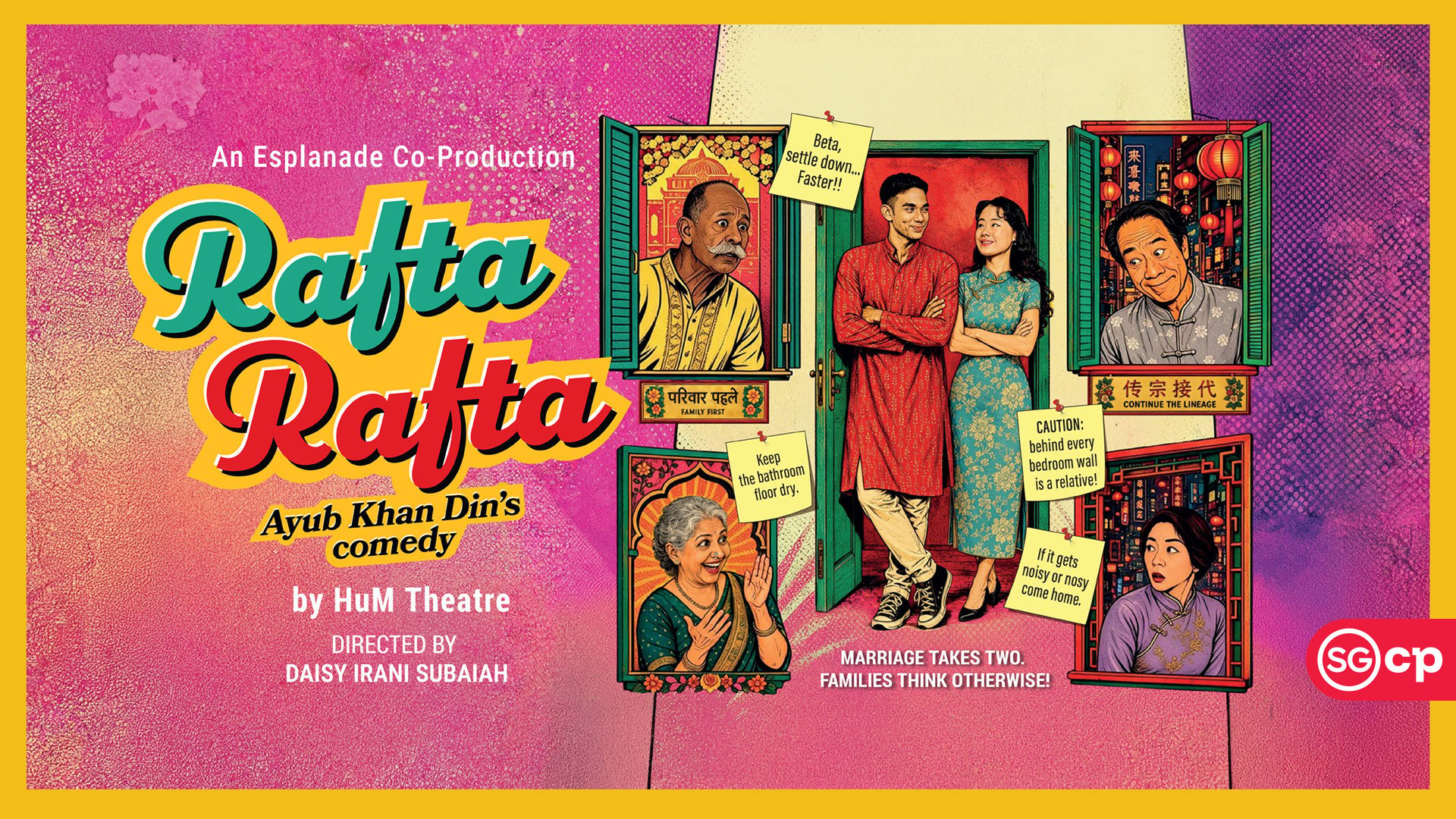
Singaporean life takes centre stage in HuM Theatre’s Rafta Rafta, running from 18 to 22 November. Directed by Daisy Irani Subaiah, the English-language production follows Atul and Weilin (Rishi Vadrevu and Vanessa Kee), a young Singaporean couple navigating marriage, family expectations and the realities of building a life together in a BTO flat. With two families thrown into the mix, the play uses an everyday Singaporean setting to explore love, growing up and the compromises that come with building a future together.
Bedok to Bollywood
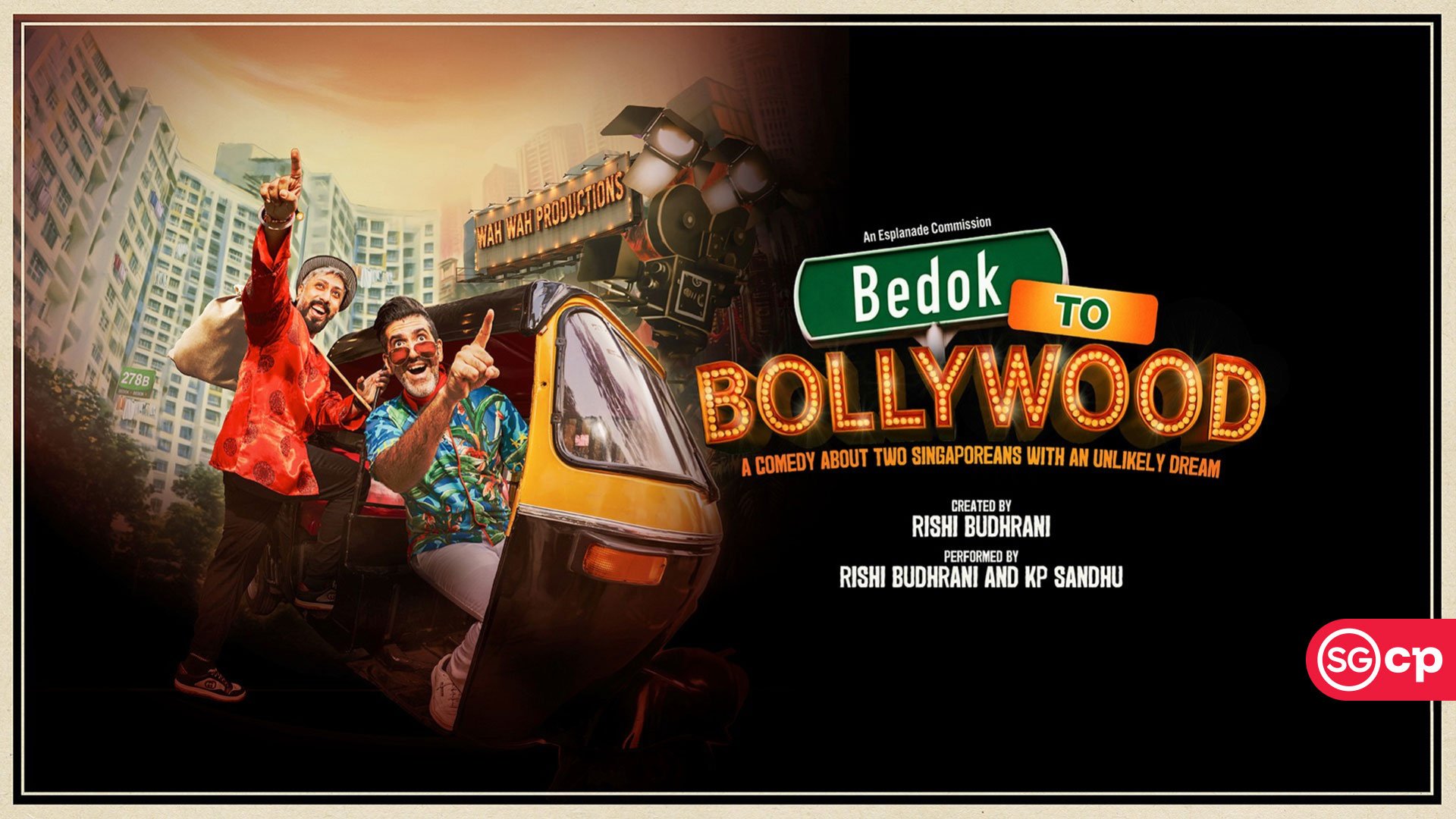
An Esplanade commission, Bedok to Bollywood brings two Singaporeans and one very large dream together. Created by prolific stand-up comedian Rishi Budhrani and performed by Budhrani and award-winning host K.P. Sandhu on 27 and 28 November, the interactive dramedy is based on their true stories and follows two friends attempting to become Bollywood superstars.
The production mixes laughter, music, romance and heartbreak while asking what happens when an ambitious dream meets the realities of getting there. There are no godfathers to offer guidance, no decade-long television series to rely on and, amusingly, no SkillsFuture credits for this particular career. More importantly, the audience becomes part of the journey, making the production as much about the act of dreaming as the possibility of making it.
A Very Mahogany Wedding
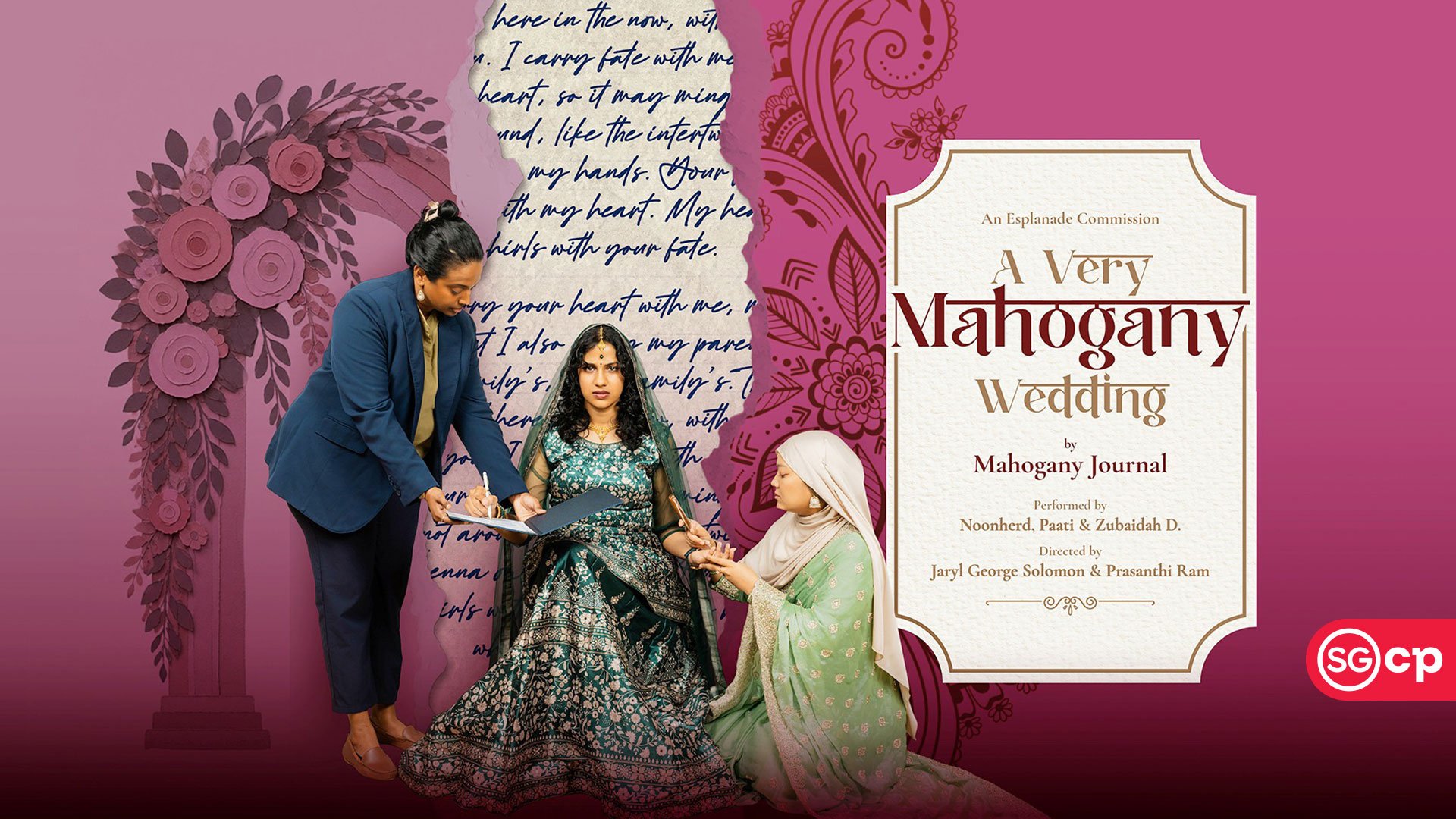
South Asian weddings are often associated with spectacle, but A Very Mahogany Wedding looks beneath the surface. A staged dramatic reading commissioned by Esplanade and inspired by Mahogany Journal’s first physical zine, Manifest, the work explores the emotional complexities beneath the celebration. Performed in English with some Malay, Tamil and Hindi, it brings together contributors including Noonherd, Paati and Zubaidah D., and is directed by Jaryl George Solomon and Prasanthi Ram.
Paati’s Spice Kitchen
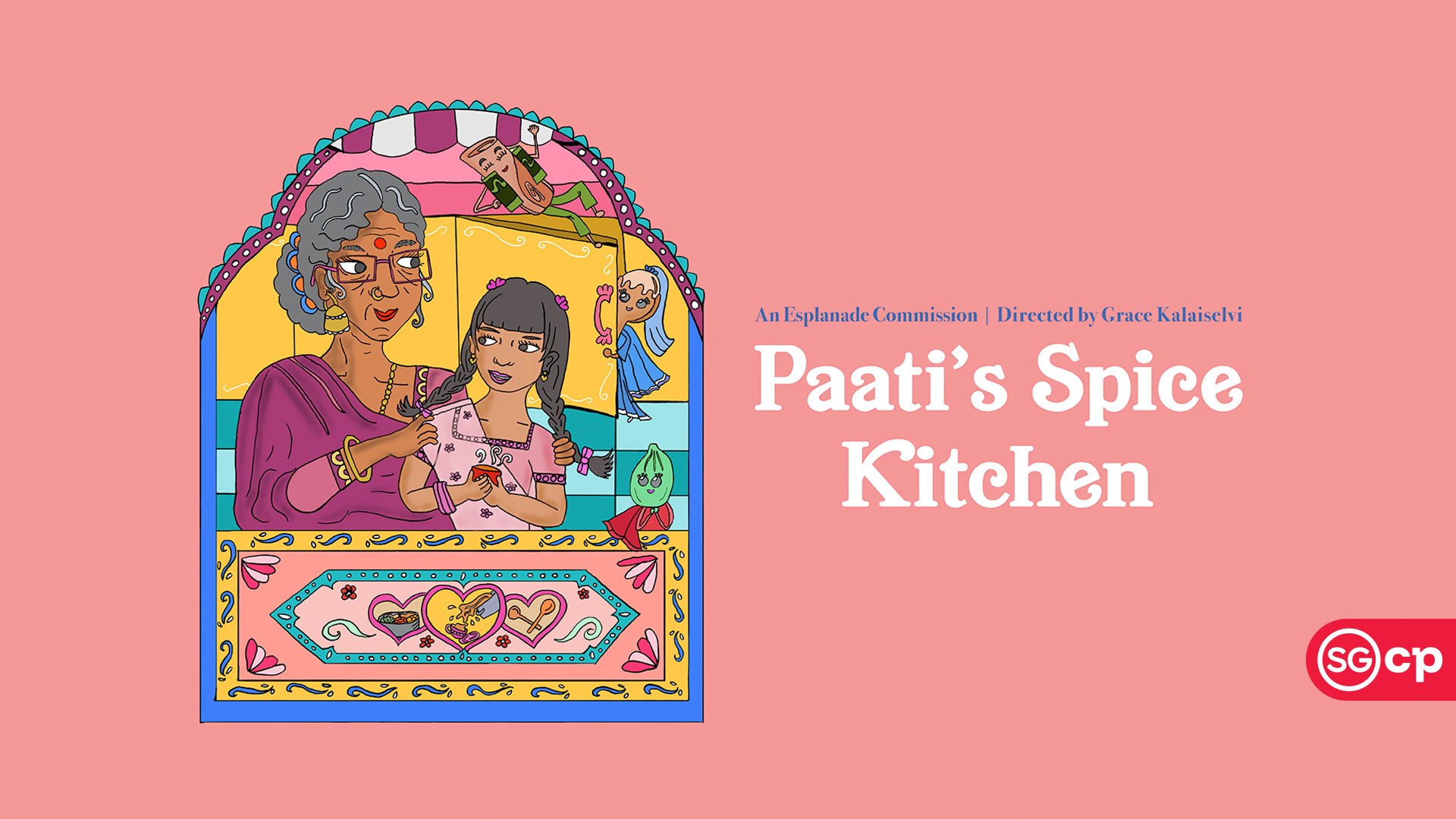
For families, Paati’s Spice Kitchen offers a gentler exploration of culture and memory. Directed by Grace Kalaiselvi, the interactive production follows Maya and her paati, using tea, cardamom and other sensory details to explore care, memory and intergenerational relationships. It is a reminder that cultural inheritance is not always found on a grand stage. Sometimes it is passed down through recipes, aromas, stories and the rituals shared between generations.
Comedy and Cabaret
Inventions

Biswa Kalyan Rath brings his Hindi-language stand-up show Inventions to the festival on 20 November. Known for his observational comedy and Pretentious Movie Reviews, Rath turns his attention to modern life, taking aim at its absurdities and frustrations through a mix of observations and rants. His inclusion also broadens the idea of what an Indian arts festival can contain, putting stand-up alongside classical music, dance and theatre.
காதல் தோல்விகள் (The Failed Romances)
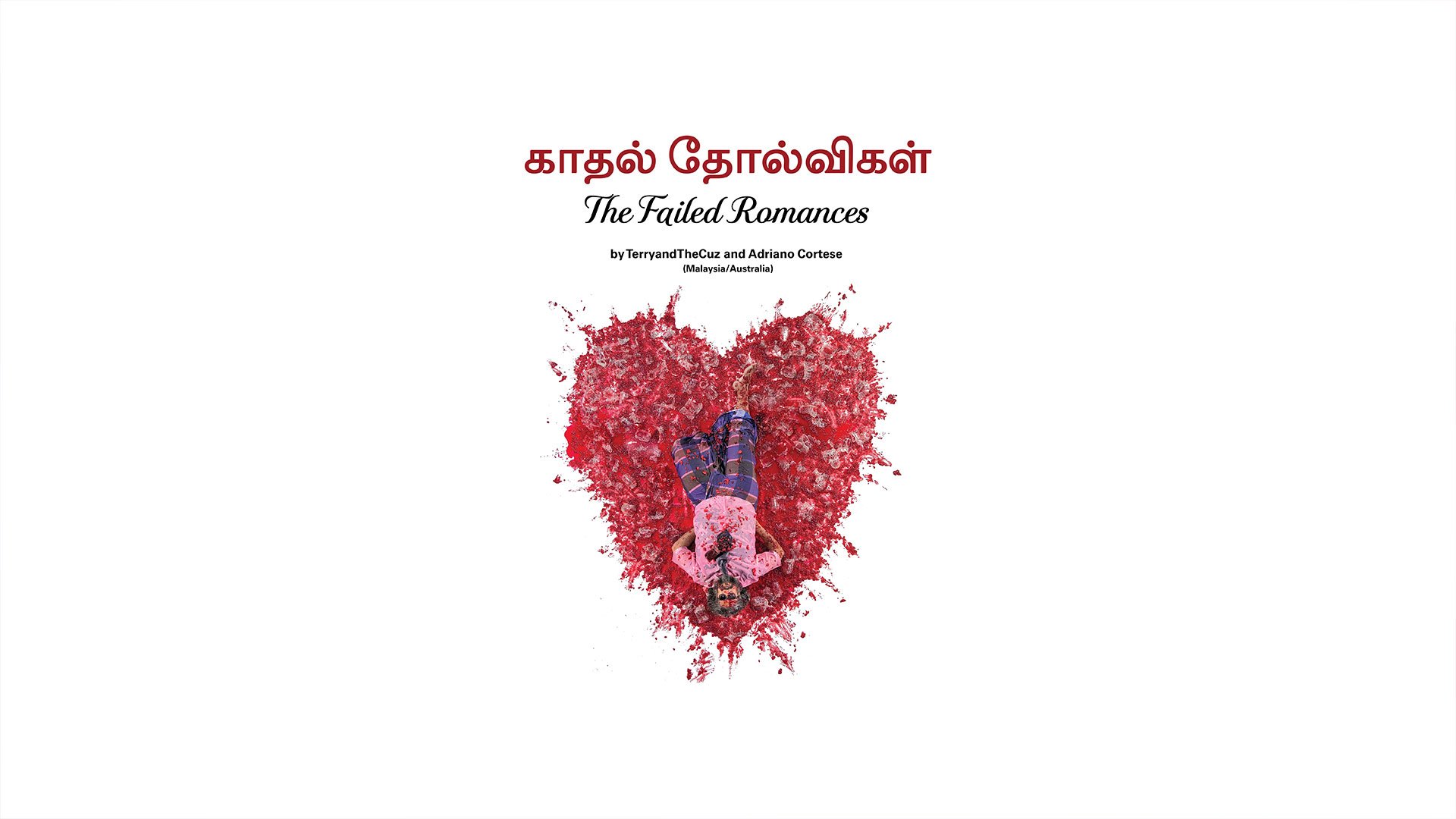
Tamil cinema provides the starting point for காதல் தோல்விகள் (The Failed Romances), a coming-of-age cabaret created across Malaysia, Australia and Singapore. The production combines theatre, live music, movement and design, with a six-piece band performing iconic and reimagined Tamil songs as performers navigate the messy contradictions of love and belonging.
But beneath the humour and spectacle is a sharper examination of the myths around masculinity, femininity and attraction that have been shaped by decades of cinema and colonial legacy. With concept and stories by TerryandTheCuz and created with Adriano Cortese, the production brings together a cross-border creative team and performers Govin Ruben and Udaya Soundari.
Music
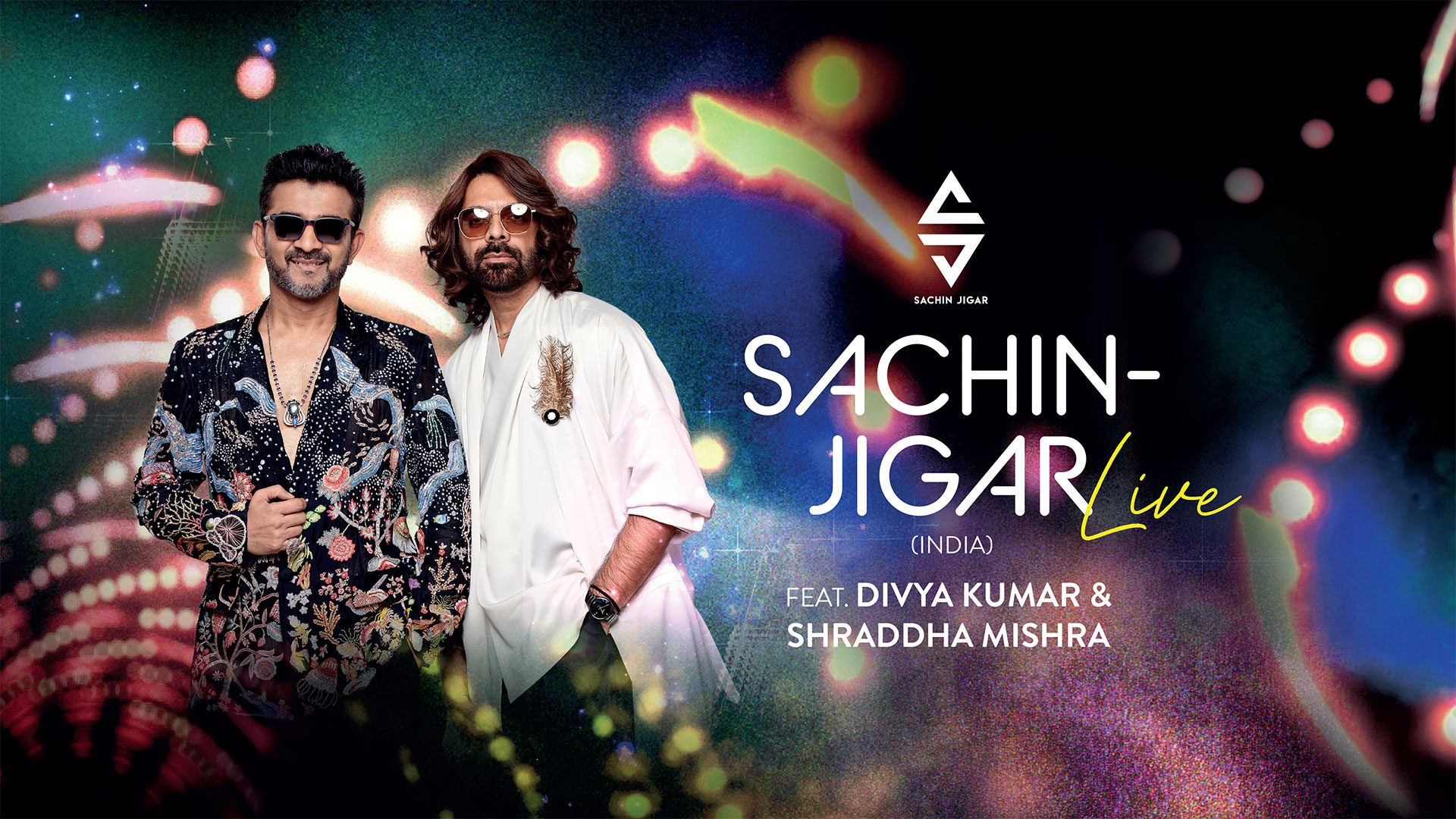
Music remains one of the festival’s biggest pillars, and the 25th edition spans a particularly broad spectrum. Sachin–Jigar make their Singapore debut, bringing the Bollywood composers’ contemporary sound to the festival. Job Kurian adds another strand of Indian popular music, while Brahmastra Ensemble marks a decade of original music and storytelling with The Final Act of the Decade on 29 November. The Brahmastra performance takes the form of an intimate 90-minute retrospective, revisiting the stories and creative moments behind the ensemble’s journey before culminating in the launch of a new album by multi-award-winning artist Niranjan Pandian.
Elsewhere, Dialled In Singapore brings the festival into the South Asian underground music scene on 21 November, connecting local and international DJs through sounds spanning garage, ambient and bass. Together, the music programme reflects the breadth of Indian and South Asian musical culture today, from classical foundations and Bollywood to independent scenes and newer forms of collective music-making.

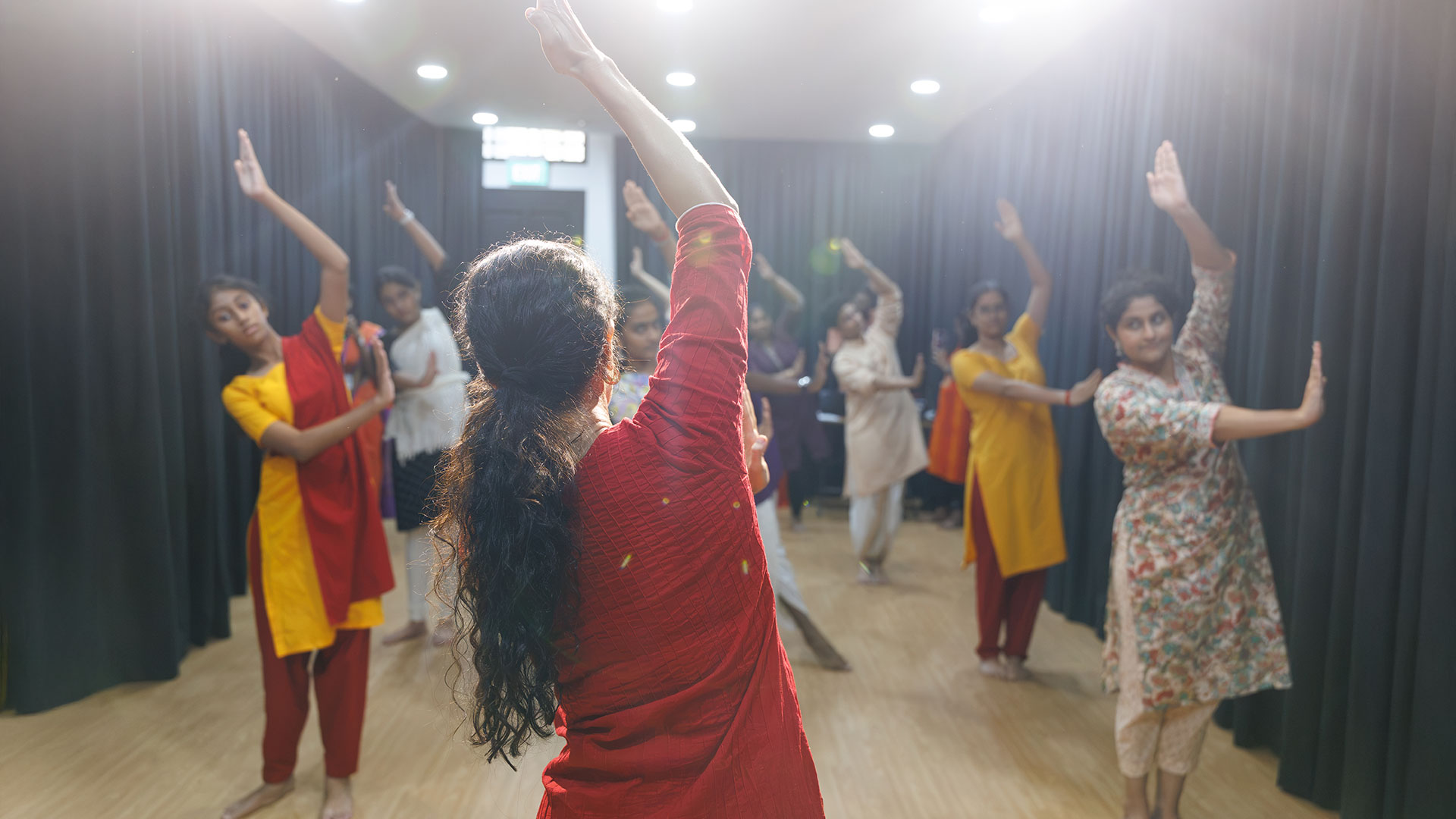
The 25th edition also makes room for audiences who want to participate rather than simply watch. The Parent-Child Bharatanatyam Workshop: Sahachara – Moving Together, led by Guru K. H. Haritha, invites parents and children to explore movement, rhythm and storytelling together. Stories in Motion: Discovering Bharatanatyam, led by Guru Nishita Joshi, offers participants of different ages and experience levels an introduction to Bharatanatyam through gestures, movement and physical storytelling. These smaller-scale programmes provide another way into the festival, particularly for families and audiences encountering Indian classical arts for the first time.
What ties the programme together is not a single definition of Indian arts, but the freedom to move between forms. There is classical Bharatanatyam alongside Tamil cinema, Carnatic compositions alongside Bollywood music, Singaporean family stories alongside stories about the wider South Asian experience. There is comedy, cabaret, interactive theatre and underground music.
And that breadth is part of what Kalaa Utsavam has become over its quarter-century history. “Today, the festival is a shared space for discovery, connection and celebration shaped by generations of artists, audiences and communities,” says Akileshwar.
“As Kalaa Utsavam looks ahead, nurturing younger audiences and supporting the next generation of Singapore artists remain central to our work,” he adds. “We want the festival to be a place where new relationships with Indian arts begin, traditions are encountered afresh and artists feel empowered to take creative risks.”
Kalaa Utsavam – Indian Festival of Arts 2026 runs from 20th to 29th November 2025 at Esplanade – Theatres on the Bay. Full lineup available here

